

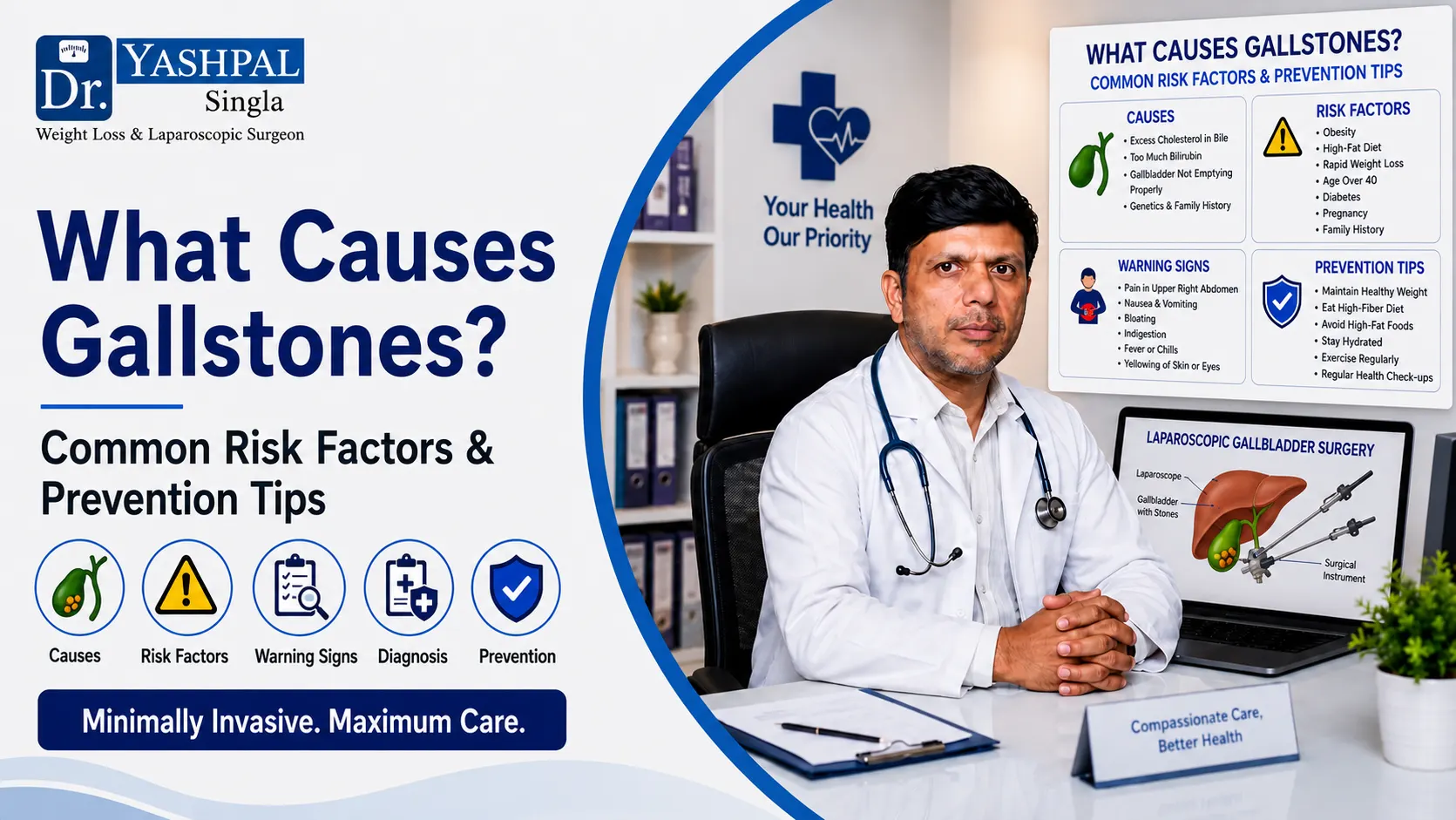
At some point after the diagnosis, almost everyone asks the same question: why me? What are the actual gallstone causes behind this? The short answer: gallstones form when bile in your gallbladder becomes chemically imbalanced, usually carrying too much cholesterol or bilirubin, and that excess slowly crystallises into stones. Certain things push your risk up your age, weight, genetics, diet, even how quickly you lost weight last year. None of it is your fault exactly. It’s mostly biology, with lifestyle nudging the odds.
Let’s actually walk through it. Not a quick listicle, but a real understanding of why stones form, who’s more likely to get them, and what you can genuinely do about it.
What Are Gallstones, and Why Do They Form?
Bile isn’t just some waste fluid your body throws away. It’s a working fluid made in the liver, stored in the gallbladder, released whenever you eat something fatty, and used to break that fat down. For that system to run smoothly, bile needs to stay in a specific chemical balance.
When that balance tips too much cholesterol, too much bilirubin, or bile that isn’t being emptied often enough the excess starts forming tiny crystals. Over weeks and months, those crystals harden. That’s a gallstone.
It’s less like a sudden event and more like sediment building at the bottom of a still pond. Slow, quiet, easy to miss until it isn’t.
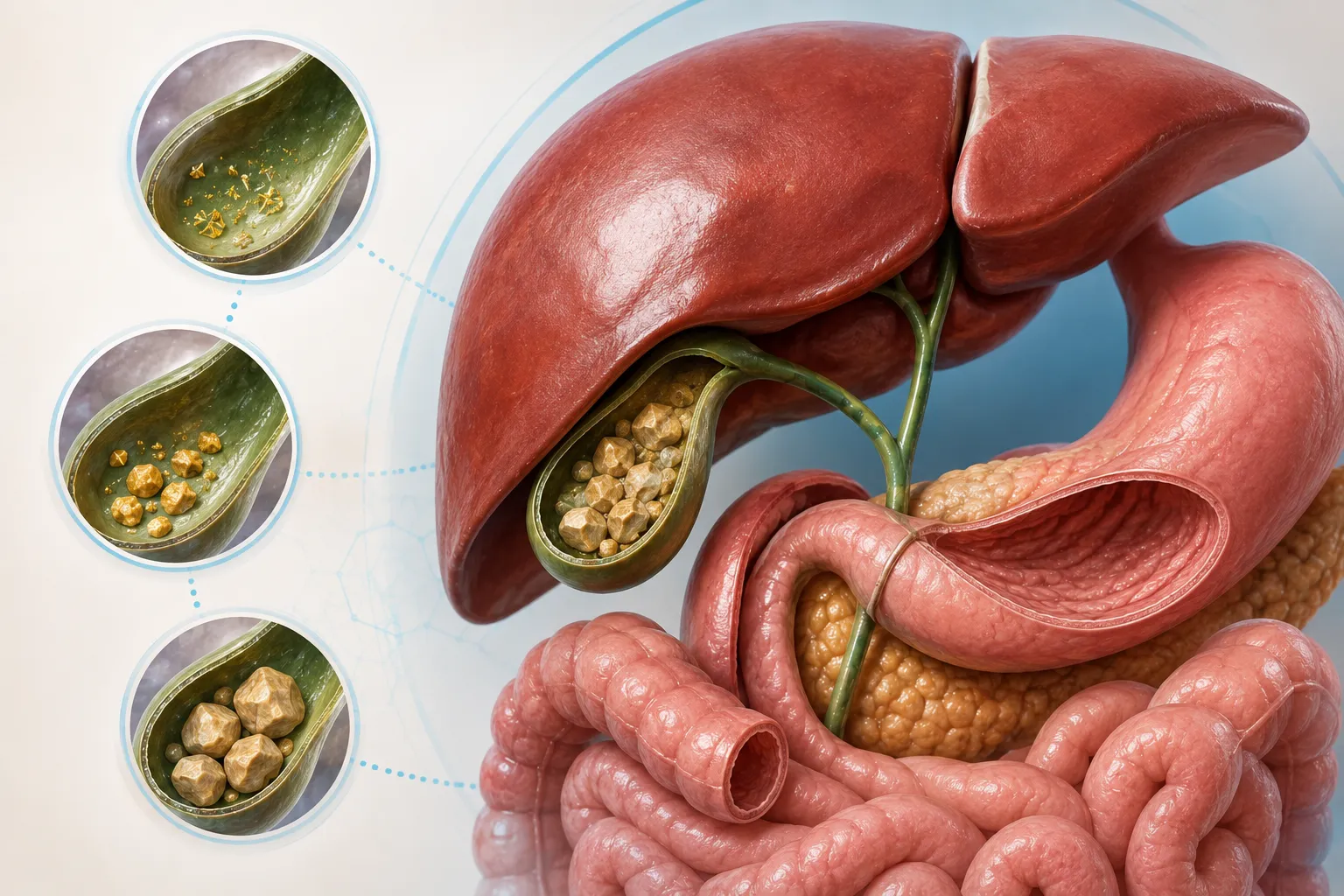
Cholesterol Stones vs Pigment Stones
Not all stones are made the same way, and it actually matters which kind you have.
- Cholesterol stones are the most common type by far, making up roughly 80% of cases. These form when bile carries more cholesterol than it can dissolve. Usually yellow-green in colour.
- Pigment stones are smaller, darker, and made mostly of bilirubin. These are more common in people with liver disease, certain blood disorders, or infections affecting the bile ducts.
Most people dealing with everyday gallbladder disease are looking at cholesterol stones. But your doctor will usually confirm the type only if it changes how your case is managed.
What Are the Risk Factors for Gallstones?
This is probably the question that brought you here. You want to know if you’re a “type” for this. Some patterns show up again and again, and doctors have grouped them into a handful of well-established gallstone risk factors.
Age, Gender & Hormones
Gallstones become noticeably more common as people cross 40, and the risk keeps climbing with age. Women are affected roughly twice as often as men, largely because of oestrogen it increases cholesterol levels in bile. This is also why:
- Pregnancy raises risk
- Hormone replacement therapy can raise risk
- Birth control pills carry a mild increase in risk too
It’s not that men are immune. They’re just statistically less likely, especially before midlife.

Obesity & Rapid Weight Loss
Here’s a genuinely confusing part of obesity and gallstones: both being overweight and losing weight too fast can trigger stone formation. Extra body fat tends to raise cholesterol levels in bile. But crash dieting or rapid weight loss especially after bariatric surgery or extreme calorie restriction makes the liver release extra cholesterol into bile while the gallbladder empties less often. Both directions push the same outcome.
Family History & Genetics
If a parent or sibling has had gallstones, your own risk climbs meaningfully. Genetics influence how your liver processes cholesterol and how your gallbladder contracts. This is one of those gallstone causes that no amount of clean eating can fully cancel out though it can still be managed well.
Diabetes & Metabolic Conditions
Diabetes and related metabolic conditions often come with higher triglycerides and altered gallbladder motility meaning the gallbladder doesn’t empty as efficiently as it should. Bile sits longer, and stagnant bile is exactly the environment stones love to form in. People with metabolic syndrome, insulin resistance, or high triglycerides carry a noticeably higher risk.
What Foods Can Trigger Gallstones?
Food doesn’t create gallstones out of nowhere, but certain eating patterns feed the exact chemistry that leads to them. Over years, some diets consistently push bile toward that cholesterol-heavy, stone-forming state.
Foods that raise risk over time:
- Deep-fried and oily food eaten regularly
- Excess red meat and processed meats
- Full-fat dairy in large, frequent amounts
- Refined sugar and sugary drinks
- Low-fibre, highly processed meals
Foods that seem to lower risk:
- High-fibre vegetables, fruits, and whole grains
- Healthy fats like nuts, olive oil, and fish
- Regular, balanced meals rather than long gaps followed by heavy ones
- Adequate hydration through the day
It’s worth being honest here, one greasy meal won’t give you gallstones. It’s the pattern over years, not a single indulgent dinner, that shapes this risk.
Lifestyle Factors That Raise Gallstone Risk
Beyond genetics and diet, daily habits quietly shape how your gallbladder behaves. Three patterns come up constantly in clinic conversations.
Sedentary Lifestyle
A body that moves less tends to process cholesterol less efficiently, and studies consistently link low physical activity with higher gallstone risk. It doesn’t need to be intense exercise, even regular walking measurably helps keep bile composition balanced.
Skipping Meals or Fasting Long Hours
This one surprises people. Long gaps between meals mean your gallbladder isn’t triggered to empty as often. Bile sits, concentrates, and slowly tips toward stone formation. Frequent fasting, skipping breakfast repeatedly, or very restrictive eating windows can all nudge risk upward over time.
Pregnancy
Pregnancy brings a natural rise in oestrogen and progesterone, both of which affect bile composition and slow gallbladder emptying. Combined with normal weight gain during pregnancy, this is exactly why gallstones are more frequently diagnosed in women during or shortly after pregnancy.
Can Gallstone Causes Be Reversed or Prevented?
Here’s something worth sitting with: you can’t fully reverse a stone that’s already formed. Once that crystal has hardened, diet and lifestyle changes won’t dissolve it away in most cases. But what you can do is stop feeding the conditions that create new ones.
- Manage weight gradually, never through crash diets
- Eat balanced meals at consistent times
- Stay active most days of the week
- Manage diabetes or metabolic conditions properly if you have them
- Avoid long fasting stretches where possible
Think of it less like “undoing” the past and more like protecting your gallbladder’s future. That mindset genuinely helps.
When Causes Turn Into Symptoms Worth Checking
Understanding causes is useful, but eventually the real question becomes: has this turned into something happening in my body right now?
Watch for:
- Sudden, gripping pain in the upper right abdomen, especially after fatty meals
- Pain spreading to the back or right shoulder
- Nausea or vomiting that keeps returning
- Yellowing of the skin or eyes
- Fever alongside abdominal discomfort
If any of these show up, causes stop being theoretical. That’s your cue to get an ultrasound and a proper opinion, rather than waiting to see if it passes on its own.
Gallstone Care at Meyash Hospital, Hisar
Understanding your personal risk is genuinely useful; it helps you catch things early instead of being blindsided by a painful attack later. At Meyash Hospital, Hisar, gallstone evaluation starts with a clear conversation about your history, weight patterns, family background, and any symptoms you’ve noticed, followed by a simple ultrasound if needed.
If stones are already present and causing trouble, the hospital offers advanced laparoscopic gallbladder surgery minimally invasive, with smaller incisions, less post-operative pain, and a noticeably faster return to daily life compared to older surgical methods.
A Personalised Risk Evaluation With Dr. Yashpal Singla’s Team
Not everyone with risk factors needs surgery, and not everyone needs to panic over a family history. This is exactly where a proper evaluation with Dr. Yashpal Singla‘s team makes a real difference. Rather than generic advice, patients get an assessment based on their specific combination of age, weight history, diabetes status, and symptoms so the plan actually fits them, whether that means watchful monitoring, lifestyle changes, or moving toward treatment.
Prevention Tips Based on Common Gallstone Causes
Bringing it all together, here’s a practical, doable prevention checklist:
- Lose weight slowly if needed aim for steady, sustainable loss, not crash diets
- Eat regular meals; don’t skip breakfast or fast for very long stretches
- Choose high-fibre foods over fried and processed ones most days
- Stay physically active even daily walks make a measurable difference
- Keep diabetes and cholesterol levels under control if you have those conditions
- Get a check-up if gallstones run in your family, even without symptoms yet
- Stay hydrated and moderate your intake of full-fat dairy and red meat
None of this guarantees you’ll never form a stone, genetics still has a say. But it meaningfully shifts the odds in your favour.
Conclusion
Gallstones rarely have one single cause. They’re usually the result of several things quietly stacking up age, hormones, weight, genetics, and daily habits all playing their part together. Knowing your personal gallstone causes doesn’t just satisfy curiosity; it gives you a real, actionable way to lower your risk and catch problems early, before a stone turns into a painful emergency.
Ready to be treated?
If you’re carrying gallstone causes or already noticing symptoms, don’t leave it to chance. Dr. Yashpal Singla at Meyash Hospital, Hisar offers personalised gallstone evaluation and advanced laparoscopic treatment. Book your consultation today.
FAQs
Q: What are the first signs of gallstones?
The earliest sign is usually sudden, gripping pain in the upper right abdomen, often after a fatty meal. It may come with nausea and can spread toward the back or right shoulder blade.
Q: What are 5 risk factors of gallstone causes?
The five most common risk factors are age over 40, being female, obesity, family history, and diabetes or metabolic conditions. Rapid weight loss and pregnancy also meaningfully raise risk.
Q: Does eating fatty food cause gallstone causes directly?
Not directly, but a long-term diet high in fried, fatty, and processed food raises cholesterol levels in bile over time. It’s the sustained pattern, not one heavy meal, that contributes to stone formation.
Q: Can gallstone causes be genetic even with a healthy lifestyle?
Yes. Family history influences how your liver handles cholesterol and how your gallbladder empties, independent of diet. A healthy lifestyle still helps, but genetics can still tip the balance toward stones.
Q: Does losing weight quickly really gallstone causes?
Yes, surprisingly. Rapid weight loss causes the liver to release extra cholesterol into bile while the gallbladder empties less frequently, creating ideal conditions for stones to form.
Q: Is gallstone causes evaluation covered under cashless insurance at Meyash Hospital?
Gallstone evaluation and related surgery are commonly covered under most health insurance plans, with cashless facilities available depending on the insurer. It’s best to confirm your specific policy details with the Meyash Hospital, Hisar team directly.
This article has been reviewed by the medical team at Meyash Hospital, Hisar. For personalized advice, consult Dr. Yashpal Singla or our specialists directly.