

For people living with obesity, losing weight can be a long and challenging journey. Diet changes, exercise, and medical treatments can help, but they do not always lead to lasting results. When other methods have not worked well enough, weight loss surgery may be an option worth discussing with a doctor.
One of the procedures used to treat obesity is mini gastric bypass surgery. It is also known as one-anastomosis gastric bypass (OAGB) or single-anastomosis gastric bypass (SAGB). The procedure reduces the size of the stomach and changes the path food takes through the digestive system.
In this article, we will explain what the procedure involves, how it differs from traditional gastric bypass, who may be eligible, and what patients should know about recovery, benefits, and possible complications.
What Is a Mini Gastric Bypass?
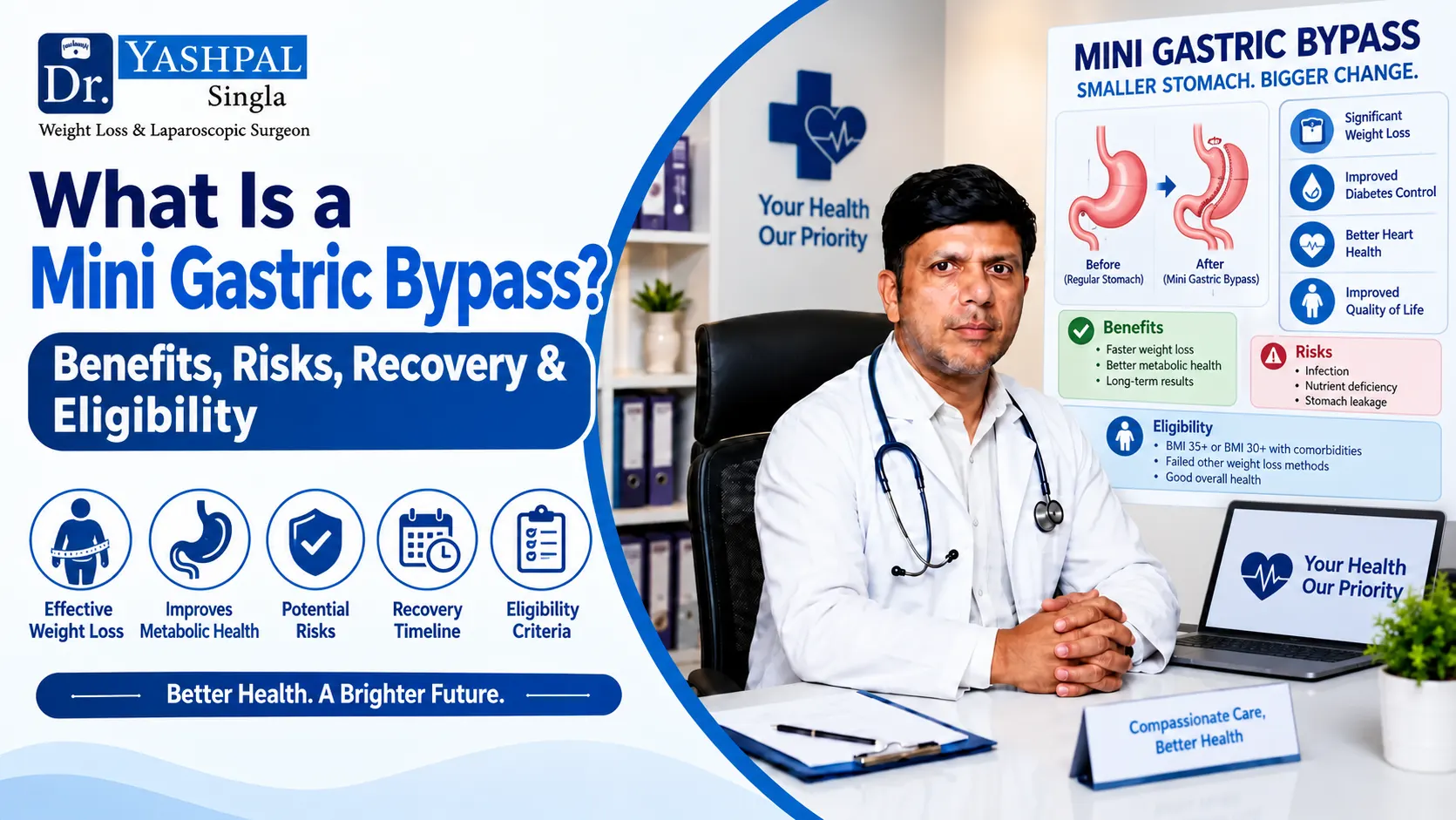
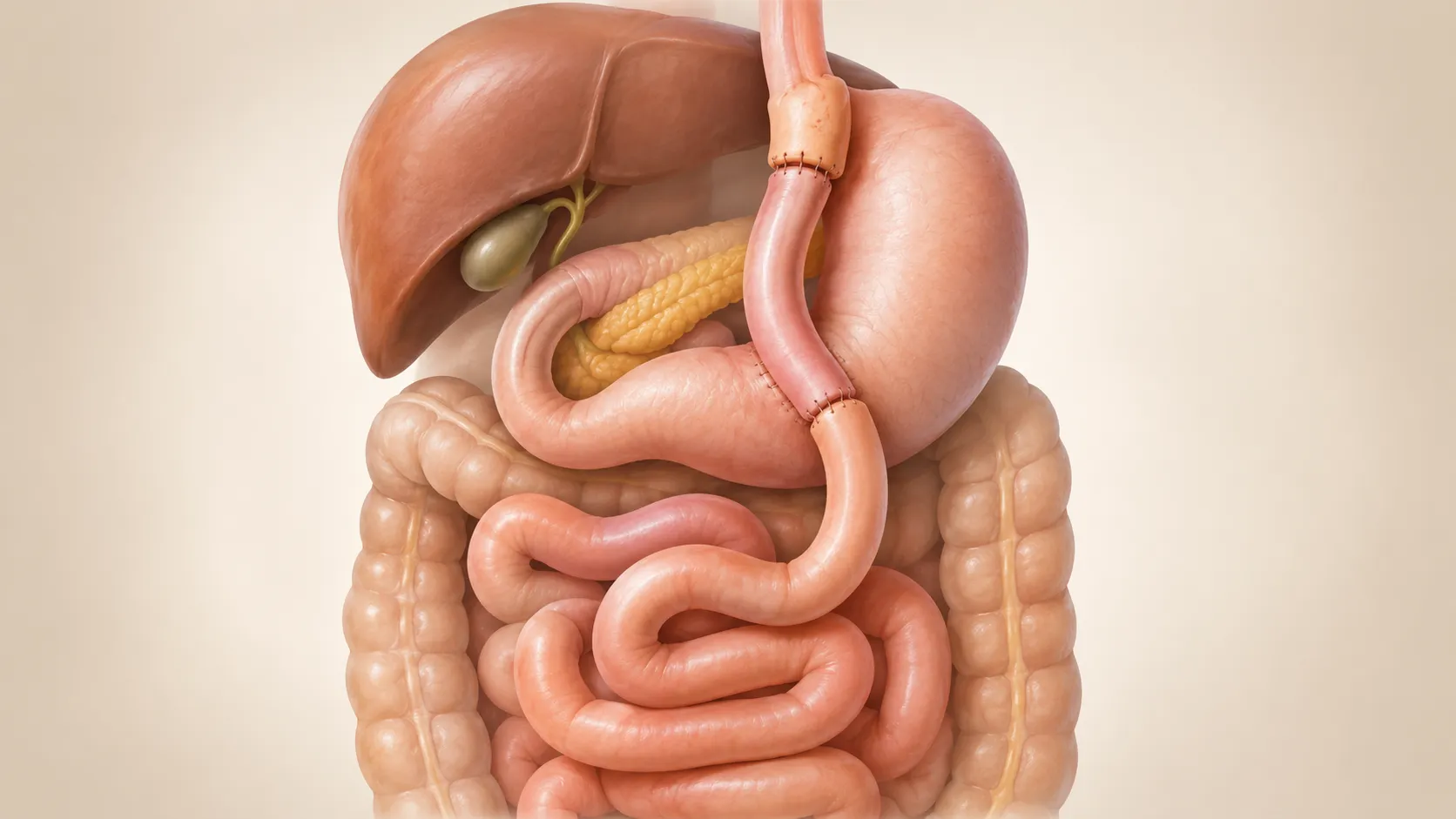
What Is a Mini Gastric Bypass? It is a type of weight loss surgery in which the surgeon creates a long, narrow stomach pouch and connects it directly to a section of the small intestine.
The procedure reduces the amount of food the stomach can hold and changes how food moves through the digestive system. This can help patients feel full after eating smaller portions and may reduce the number of calories the body absorbs.
How does mini gastric bypass work?
The procedure usually involves the following steps:
- Creating a smaller stomach: The surgeon reshapes the stomach into a long, narrow pouch that can hold less food than the original stomach.
- Connecting the small intestine: A section of the small intestine is connected directly to the new stomach pouch.
- Changing the food pathway: Food passes from the pouch into the small intestine, bypassing the first part of the intestine and the remaining stomach.
These changes help reduce food intake and affect digestive hormones involved in hunger, fullness, and blood sugar control.
The procedure is generally performed using minimally invasive techniques, such as laparoscopy, when appropriate.
Why is it performed?
Mini gastric bypass is used as a treatment for obesity and certain weight-related health conditions.
It may help patients:
- Lose a significant amount of excess weight.
- Improve blood sugar control in people with type 2 diabetes.
- Reduce high blood pressure.
- Improve sleep apnea and other obesity-related conditions.
- Improve mobility and daily comfort as weight decreases.
Understanding What Is a Mini Gastric Bypass also means understanding that it is a long-term treatment requiring changes to both eating habits and daily routines.
Mini Gastric Bypass vs Traditional Gastric Bypass
Mini gastric bypass and traditional gastric bypass are both procedures used to help people lose weight. They reduce the amount of food the stomach can hold and change the way food moves through the digestive system.
However, the main difference is how the surgeon connects the stomach to the small intestine.
Traditional gastric bypass, commonly called Roux-en-Y gastric bypass (RYGB), involves creating a small stomach pouch and making two intestinal connections.
Mini gastric bypass creates a long stomach pouch and uses one main connection to the small intestine.
Fewer Surgical Connections
One of the main differences is the number of connections made during surgery.
In traditional gastric bypass, the surgeon creates a small stomach pouch and connects it to the small intestine. The intestine is then reconnected farther down so digestive juices can mix with food.
In mini gastric bypass, the surgeon creates a long stomach pouch and connects it directly to a loop of the small intestine.
Because mini gastric bypass involves one main intestinal connection, it may require fewer surgical steps.
Shorter Operating Time
Mini gastric bypass often takes less operating time than traditional gastric bypass because the surgeon creates fewer intestinal connections.
A shorter operation may be helpful in some cases, but the actual operating time depends on the patient’s anatomy, medical history, and surgical technique.
When patients ask What Is Mini Gastric Bypass, they should understand that the operation may be less complex in certain ways, but it still involves major changes to the digestive system.
Comparable Weight Loss Results
Both mini gastric bypass and traditional gastric bypass can lead to significant weight loss.
Studies have reported substantial weight loss after mini gastric bypass, and some research suggests that its results can be comparable to or greater than those of traditional gastric bypass in certain patient groups.
Who Is Eligible for Mini Gastric Bypass?
Not everyone who wants to lose weight is a suitable candidate for mini gastric bypass.
The procedure is generally considered for people with obesity who may benefit from surgical treatment after a detailed medical evaluation. Eligibility depends on several factors, including BMI, existing health conditions, previous weight loss attempts, and the patient’s ability to follow long-term medical and nutritional guidance.
If you are wondering What Is Mini Gastric Bypass and whether it is right for you, the first step is to speak with a qualified bariatric surgeon.
BMI Requirements
Body mass index, or BMI, is a measure based on your height and weight. Doctors use it as one of several factors when assessing whether bariatric surgery may be suitable.
Current international bariatric surgery guidelines generally recommend surgery for people with a BMI of 35 or higher, regardless of whether they have other obesity-related health conditions.
Surgery may also be considered for people with a BMI between 30 and 34.9 in certain situations, particularly when obesity-related medical problems have not improved enough with non-surgical treatment. Different criteria may apply to people of Asian descent and under local medical guidelines.
However, meeting a BMI threshold does not automatically mean that mini gastric bypass is the right procedure.
Related Health Conditions
Certain medical conditions may make bariatric surgery a treatment option worth discussing.
These include:
- Type 2 diabetes
- High blood pressure
- Obstructive sleep apnea
- High cholesterol
- Fatty liver disease
- Joint problems linked to excess weight
Mini gastric bypass may help improve some of these conditions by supporting weight loss and changing the way the body manages blood sugar and other metabolic processes.
However, patients with significant acid reflux, certain stomach conditions, or nutritional problems may need additional evaluation before the procedure is considered.
A complete assessment is especially important because mini gastric bypass carries a risk of bile reflux and nutritional deficiencies.
Benefits of Mini Gastric Bypass
Mini gastric bypass offers several potential benefits for people who are suitable candidates for the procedure.
Faster Recovery
Mini gastric bypass may involve fewer surgical steps than traditional gastric bypass, which can make the operation more straightforward in some cases.
Many patients undergo the procedure using minimally invasive surgery, which involves smaller incisions than traditional open surgery. This may help reduce wound-related discomfort and support recovery..
Lower Complication Rate
Mini gastric bypass may have certain procedural advantages because it involves one main intestinal connection rather than two.
Some studies report favorable complication outcomes compared with other bariatric procedures. However, it would not be accurate to say that mini gastric bypass always has a lower complication rate than traditional gastric bypass.
Strong Diabetes & Metabolic Improvement

Mini gastric bypass can help improve blood sugar control in people with type 2 diabetes.
The procedure reduces food intake and changes digestive hormones that influence appetite, insulin response, and blood sugar levels. Some patients may experience a significant improvement in diabetes control after surgery. Others may still need medication or additional treatment.
Weight loss can also help improve high blood pressure, cholesterol levels, sleep apnea, and other health conditions linked to obesity. Understanding What Is Mini Gastric Bypass includes recognizing that its purpose is not only to reduce body weight but also to improve health and quality of life where possible.
Risks & Possible Complications
Mini gastric bypass can be an effective treatment for obesity, but it is still a major operation. Understanding its risks is just as important as knowing its benefits.
When patients ask What Is Mini Gastric Bypass, they should also understand how the procedure changes digestion and why long-term medical monitoring is necessary.
Some complications may appear soon after surgery, while others can develop months or years later.
Nutrient Deficiencies
One of the main long-term concerns after mini gastric bypass is the risk of nutritional deficiencies.
Because food bypasses part of the small intestine, the body may absorb fewer nutrients than before surgery. Eating smaller amounts of food can also make it harder to get enough vitamins and minerals.
Nutrients that may need regular monitoring include:
- Iron
- Vitamin B12
- Vitamin D
- Calcium
- Folate
- Other vitamins and minerals, depending on the patient’s health and surgical details
Low nutrient levels can lead to problems such as anemia, tiredness, weakness, and bone health concerns.
To reduce these risks, patients are usually advised to take prescribed vitamin and mineral supplements and attend regular blood tests. Nutritional deficiencies are a known concern after mini gastric bypass, and lifelong monitoring is an important part of care.
Dumping Syndrome
Dumping syndrome is a condition in which food moves too quickly from the stomach pouch into the small intestine.
It can happen after gastric bypass procedures, including mini gastric bypass.
Symptoms may include:
- Nausea
- Abdominal cramps
- Diarrhea
- Sweating
- Dizziness
- A racing heartbeat
- Weakness or lightheadedness
Symptoms may appear soon after eating or later, depending on the type of dumping syndrome. Meals that contain large amounts of sugar may trigger symptoms in some patients.
Bile Reflux
Bile reflux is one of the specific concerns associated with mini gastric bypass. Bile is a digestive fluid produced by the liver. It helps the body digest fats and normally flows into the small intestine.
After mini gastric bypass, the new connection between the stomach pouch and the intestine may allow bile to flow backward into the stomach pouch and, in some cases, toward the food pipe.
This can cause symptoms such as:
- Persistent upper abdominal discomfort
- Nausea
- A bitter taste in the mouth
- Reflux symptoms that do not improve with usual treatment
Bile reflux is an important consideration when deciding whether mini gastric bypass is suitable.
Some patients with severe acid reflux, Barrett’s esophagus, or certain other stomach conditions may need a different procedure.
Other Possible Complications
In addition to the risks mentioned above, mini gastric bypass may cause:
- Bleeding or infection
- Leakage from the surgical connection
- Ulcers near the stomach-intestine connection
- Bowel obstruction
- Gallstones during rapid weight loss
- Hernias or other problems that may require further treatment
Some complications can be serious and require urgent medical attention.
Seek immediate medical care if you develop severe abdominal pain, chest pain, difficulty breathing, repeated vomiting, fainting, or an inability to keep fluids down.
Mini Gastric Bypass Recovery Timeline

Recovery after mini gastric bypass takes time. Your body needs to heal from surgery, adjust to a smaller stomach, and adapt to changes in digestion.
Many patients spend around one to two days in the hospital, although the exact length of stay depends on their recovery and the hospital’s care plan. Returning to normal activities may take several weeks.
The following timeline provides a general overview of what patients may experience.
First 24–48 Hours: Hospital Monitoring
After surgery, you will be monitored by the medical team.
The team may check your vital signs, pain levels, hydration, and ability to tolerate small amounts of fluid. You may be encouraged to begin gentle walking when it is safe to do so. Walking helps support recovery and reduces the risk of certain complications.
Week 1: Rest and Healing
The first week at home is mainly focused on rest, hydration, and following your prescribed liquid diet. You may feel tired and experience mild discomfort around the surgical areas.
It is important to take small sips of fluid throughout the day and avoid drinking large amounts at once. If you experience persistent vomiting, severe pain, fever, or difficulty drinking fluids, contact your medical team immediately.
Weeks 2–4: Gradually Adjusting to Food
As healing progresses, your surgeon or dietitian may guide you from liquids to pureed or soft foods.
The exact timing depends on your recovery and the eating plan prescribed by your medical team. You will need to eat slowly, take small bites, and stop when you feel comfortably full.
Some patients may notice changes in bowel habits, appetite, or energy levels as their bodies adjust. This is also a time to focus on hydration and meeting your prescribed protein goals.
Months 1–3: Building a New Routine
During the first few months, you may gradually return to more daily activities.
Your diet may progress to a wider range of foods, depending on your tolerance and your medical team’s advice.
Weight loss may be noticeable during this period, but the pace will vary from person to person.
Months 3–6: Continued Recovery
By this stage, many patients have established a more regular eating routine and may be able to increase physical activity gradually..
Beyond Six Months: Long-Term Care
Recovery does not end when you return to your regular routine.
Mini gastric bypass requires long-term follow-up, nutritional monitoring, and lifestyle changes.
Your weight may continue to change over the first year or longer. Regular medical appointments help your team monitor your progress and address any concerns.
Mini Gastric Bypass at Meyash Hospital, Hisar
Choosing a hospital and surgical team is an important part of the bariatric surgery journey.
Before undergoing mini gastric bypass, patients should understand the procedure, the expected recovery process, the possible risks, and the follow-up care they will need.
At Meyash Hospital, Hisar, patients can contact the hospital to ask about bariatric surgery consultations, available procedures, and the medical evaluation process.
Dr. Yashpal Singla’s Experience With Mini Bypass Procedures
Dr. Yashpal Singla is the doctor named in the brief for this article. His specific experience with mini gastric bypass procedures, including the number of surgeries performed and individual outcomes, should be confirmed with the hospital before publication.
During a consultation, patients should ask about the surgeon’s training, experience with the procedure, and approach to managing possible complications.
A consultation may include a discussion of:
- Your weight history and BMI.
- Existing health conditions, including diabetes and acid reflux.
- Previous weight loss treatments.
- Your nutritional status and current medications.
- The benefits and risks of mini gastric bypass.
- Other bariatric surgery options that may be suitable.
- The follow-up care and supplements required after surgery.
Conclusion
Mini gastric bypass is a weight loss surgery that reduces the size of the stomach and changes the path food takes through the small intestine. It can help people with obesity lose a significant amount of weight and may improve health conditions such as type 2 diabetes and high blood pressure.
However, the procedure is not suitable for everyone.
It offers potential benefits, including substantial weight loss and improvements in metabolic health, but it also carries risks such as nutritional deficiencies, dumping syndrome, and bile reflux.
Understanding What Is Mini Gastric Bypass is an important first step before considering the procedure. Patients should also understand the recovery process, the need for lifelong supplements, and the importance of regular follow-up appointments.
Take the Next Step Toward Better Health
If you are considering mini gastric bypass and want to understand whether it may be suitable for you, contact Meyash Hospital, Hisar, to ask about a bariatric surgery consultation.
Speak with Dr. Yashpal Singla about your weight loss goals, medical history, and available treatment options.
Book a consultation to learn more about mini gastric bypass, its potential benefits, possible risks, and the care required after surgery.
FAQs
1. How is mini gastric bypass different from a regular bypass?
Mini gastric bypass, also called one-anastomosis gastric bypass, uses one main connection between the stomach pouch and the small intestine.
Traditional gastric bypass, or Roux-en-Y gastric bypass, uses two intestinal connections.
2. How much weight can you lose with mini gastric bypass?
The amount of weight lost varies depending on starting weight, BMI, medical history, eating habits, and follow-up care.
3. Is mini gastric bypass reversible?
Mini gastric bypass is not considered a routinely reversible procedure.
Although revisional surgery may be possible in certain situations, reversing or changing the procedure is complex and carries additional risks.
4. How long is the hospital stay for mini gastric bypass?
Many patients stay in the hospital for around one to two days after mini gastric bypass.
However, the exact length of stay depends on the patient’s health, recovery, and whether any complications occur.
5. Is mini gastric bypass covered under insurance?.
Some insurance plans may cover bariatric surgery when specific medical criteria are met. However, coverage for mini gastric bypass may vary, and some policies may exclude it.