

Losing weight can be a long and difficult journey, especially when diet changes, exercise, and other treatments have not helped you reach your health goals. For people living with severe obesity, weight loss surgery may be one of the treatment options worth discussing with a doctor.
Two commonly performed weight loss procedures are sleeve gastrectomy vs gastric bypass. Both help people lose weight, but they work in different ways. They also differ in how they affect digestion, blood sugar levels, acid reflux, and the body’s ability to absorb nutrients.
Choosing between these procedures is not always easy. You may have questions about how much weight you can lose, how long recovery takes, which surgery has fewer risks, and whether you can return to your normal routine after the operation.
This article explains how sleeve gastrectomy vs gastric bypass procedures work, compares their benefits and risks, and discusses the factors doctors consider when recommending a weight loss surgery. It also covers the questions patients commonly ask before making a decision.
What Is Sleeve Gastrectomy? A Quick Overview
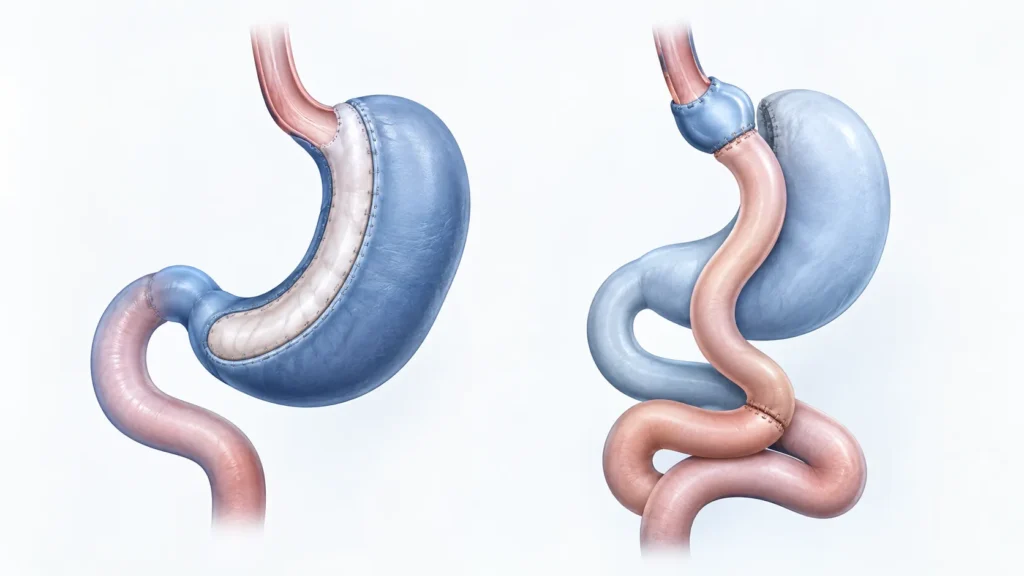
Sleeve gastrectomy, also called gastric sleeve surgery, is a weight loss procedure that makes the stomach smaller. During the operation, the surgeon removes a large part of the stomach and leaves behind a narrow, tube-shaped section that looks similar to a banana.
The smaller stomach holds less food, which helps you feel full after eating smaller portions. The surgery also changes certain hormones involved in hunger and appetite, which may help reduce the desire to eat.
How does sleeve gastrectomy work?
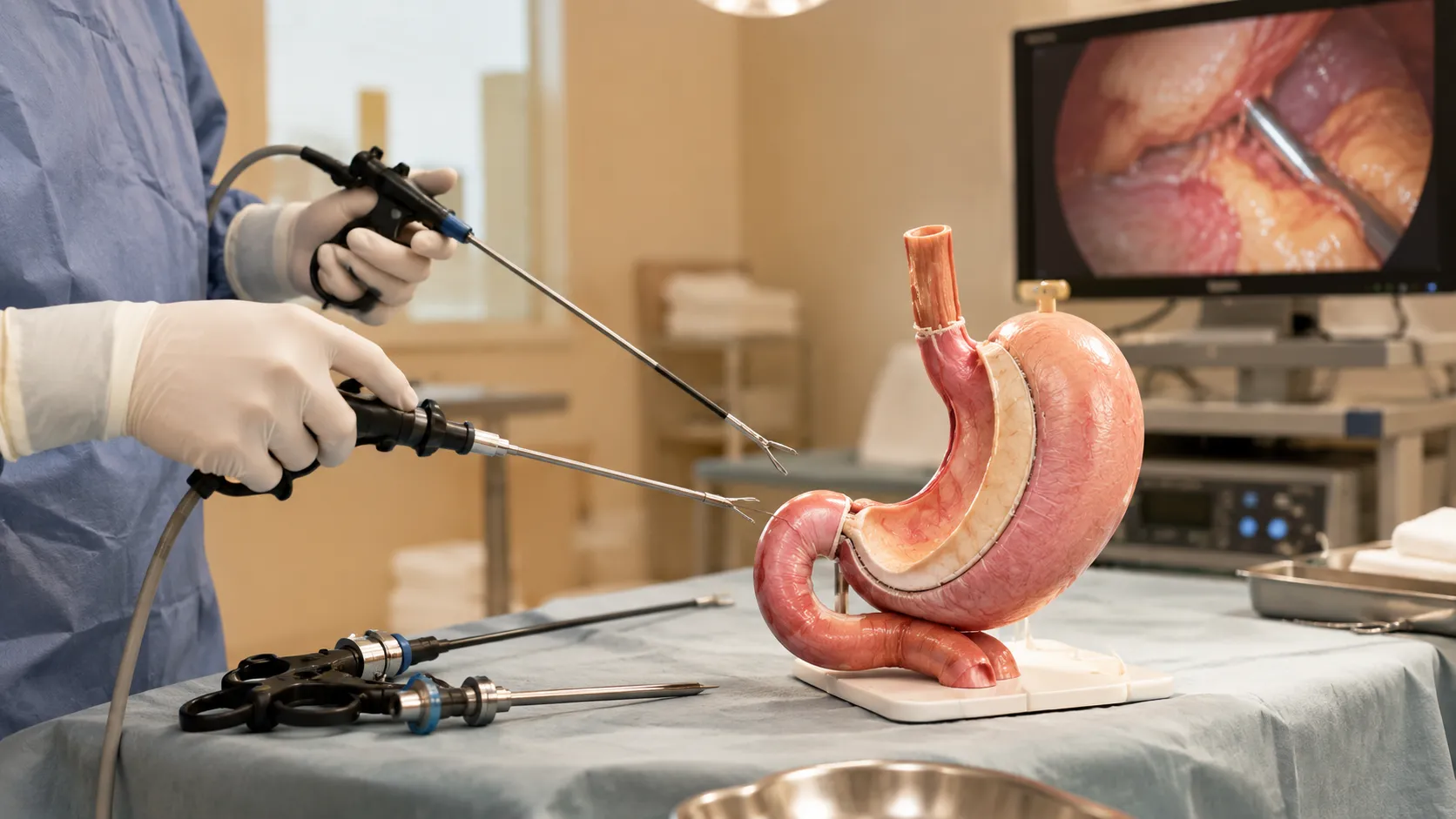
The procedure is usually performed using laparoscopic surgery. This means the surgeon makes a few small cuts in the abdomen and uses a camera and special instruments to perform the operation.
During the surgery:
- The surgeon removes most of the stomach, leaving a narrow sleeve-shaped stomach.
- The remaining stomach is closed with surgical staples.
- The digestive tract stays connected in its normal way, so food continues to pass through the stomach and small intestine.
Because the small intestine is not rearranged, the procedure does not directly bypass the part of the intestine where many nutrients are absorbed. However, patients can still develop nutritional deficiencies and need regular monitoring.
What are the benefits of sleeve gastrectomy?
Some of the main benefits include:
- Smaller stomach size: You feel full after eating less food.
- No intestinal bypass: The small intestine remains in its normal position.
- Meaningful weight loss: Many patients lose a significant amount of excess weight over time.
- Improvement in health conditions: Weight loss may help improve high blood pressure, type 2 diabetes, and sleep apnea.
However, sleeve gastrectomy is permanent. Once a portion of the stomach has been removed, it cannot be restored to its original form.
What Is Gastric Bypass? A Quick Overview
Gastric bypass is another widely used weight loss surgery. The most common type is called Roux-en-Y gastric bypass, often shortened to RYGB.
Unlike sleeve gastrectomy, gastric bypass changes both the size of the stomach and the path food takes through the digestive system.
The surgeon creates a small pouch from the upper part of the stomach. This pouch holds much less food than the original stomach. The surgeon then connects the pouch to a section of the small intestine, allowing food to bypass most of the stomach and the first part of the small intestine.
This helps reduce food intake and changes how the body processes food and manages blood sugar.
How does gastric bypass work?
The procedure generally involves three main steps:
- Creating a small stomach pouch: The surgeon separates a small upper portion of the stomach to form a pouch.
- Connecting the small intestine: A section of the small intestine is attached directly to the new stomach pouch.
- Reconnecting the digestive pathway: The bypassed part of the intestine is connected farther down so digestive juices can mix with food.
What are the benefits of gastric bypass?
Gastric bypass may offer several benefits:
- It can lead to substantial and lasting weight loss.
- It can improve blood sugar control in people with type 2 diabetes.
- It may help improve acid reflux in many patients.
- It changes digestive hormones that play a role in appetite and metabolism.
However, gastric bypass is a more complex operation than sleeve gastrectomy. It also carries a greater risk of certain nutritional deficiencies because some nutrients are not absorbed as efficiently.
Which Loses More Weight Sleeve gastrectomy vs gastric Bypass?
Weight loss is one of the biggest concerns for people considering bariatric surgery. Many patients want to know which procedure will help them lose more weight and maintain the results over the years.
In general, gastric bypass tends to produce somewhat greater average weight loss than sleeve gastrectomy, although the results vary from person to person.
A large study supported by the National Institutes of Health compared outcomes after bariatric surgery. In a five-year analysis of patients with type 2 diabetes, the average weight loss was about 56 pounds after gastric bypass and 41 pounds after sleeve gastrectomy. These figures describe the study group and are not a prediction of what any individual patient will lose.
Why can gastric bypass lead to greater weight loss?
Gastric bypass works in more than one way. It reduces the amount of food you can eat and changes the path food takes through the digestive system.
These changes can affect appetite, digestion, and the way the body handles calories and blood sugar.
Sleeve gastrectomy also reduces stomach size and changes hunger-related hormones. However, it does not bypass the small intestine.
Both procedures can help patients achieve meaningful weight loss, but the amount depends on several factors, including:
- Starting weight and overall health
- Eating habits and physical activity
- Hormonal and metabolic factors
- Age and other medical conditions
- Long-term follow-up and lifestyle changes
Sleeve Gastrectomy vs Gastric Bypass: Side-by-Side Comparison
Both procedures are designed to help people lose weight and improve health conditions linked to obesity. However, they differ in how they are performed, how they affect digestion, and what patients may experience after surgery.
The following comparison explains the main differences in simple terms.
| Feature | Sleeve Gastrectomy | Gastric Bypass |
| How it works | Removes a large part of the stomach | Creates a small pouch and reroutes part of the intestine |
| Intestinal changes | No | Yes |
| Average weight loss | Significant | Often somewhat greater |
| Effect on type 2 diabetes | Can improve blood sugar | Often provides stronger blood sugar improvement |
| Acid reflux | May worsen reflux | Often improves reflux |
| Nutritional deficiencies | Possible | Greater risk of some deficiencies |
| Reversibility | Permanent | Difficult to reverse |
| Surgical complexity | Generally simpler | More complex |
These are general differences. Your individual results and risks depend on your health, surgical technique, and follow-up care.
Procedure Complexity & Operating Time
Sleeve gastrectomy is generally a simpler operation because it involves removing part of the stomach without changing the small intestine.
Gastric bypass involves creating a stomach pouch and connecting it to the small intestine. This requires more steps and changes to the digestive tract.
For this reason, gastric bypass often takes longer to perform than sleeve gastrectomy. However, the actual operating time depends on the patient’s anatomy, the surgeon’s experience, and whether any additional procedures are needed.
Effect on Type-2 Diabetes
Type 2 diabetes is a condition in which the body struggles to control blood sugar levels. It is commonly linked to insulin resistance and can become more difficult to manage over time.
Both sleeve gastrectomy vs gastric bypass can help improve blood sugar control, particularly in people who also have obesity.
Gastric bypass may offer greater improvement in blood sugar control for some patients because it changes digestive hormones and the way food moves through the intestine.
Risk of Complications
Every operation carries some risk, and weight loss surgery is no exception. When comparing Sleeve Gastrectomy vs Gastric Bypass, it is important to understand the potential complications, benefits, and recovery process of each procedure before making an informed decision with your surgeon.
Possible complications of both procedures include:
- Bleeding
- Infection
- Blood clots
- Leakage from the surgical staple line or connections
- Reactions to anesthesia
- Problems related to healing
Gastric bypass may also lead to complications such as ulcers, narrowing at the connection between the stomach pouch and intestine, or bowel obstruction.
Sleeve gastrectomy can cause problems related to the staple line and may increase the risk of acid reflux.
Research has found that additional hospital visits, procedures, and operations can occur after either surgery, with some follow-up interventions being more common after gastric bypass.
Reflux & GERD Considerations
Acid reflux occurs when stomach contents flow back into the food pipe, causing symptoms such as heartburn, a sour taste, or discomfort in the chest. When comparing Sleeve Gastrectomy vs Gastric Bypass, acid reflux is an important factor to consider, as gastric bypass may improve reflux symptoms, while sleeve gastrectomy can sometimes worsen them.
GERD, or gastroesophageal reflux disease, is a more persistent form of acid reflux that can affect daily life and may cause damage to the food pipe if left untreated.
Sleeve gastrectomy can worsen existing reflux or cause new reflux symptoms in some patients. This happens partly because the stomach becomes narrow and pressure inside it may increase.
Gastric bypass often improves reflux because food follows a different route through the digestive system, reducing the amount of acid that reaches the food pipe.
Nutrient Absorption & Long-Term Deficiencies
After weight loss surgery, patients eat smaller portions. This means they need to pay closer attention to the nutrients they get from food.
Sleeve gastrectomy does not bypass the small intestine, so the main nutrient absorption pathway remains intact. However, patients may still develop deficiencies in iron, vitamin B12, vitamin D, calcium, and other nutrients.
Gastric bypass changes the digestive pathway and reduces the absorption of certain nutrients. When comparing Sleeve Gastrectomy vs Gastric Bypass, it is important to understand that gastric bypass may carry a higher risk of nutritional deficiencies, particularly if patients do not take their prescribed supplements or attend regular follow-up appointments.
Which Has an Easier Recovery Sleeve or Bypass?
Recovery is another important factor when comparing sleeve gastrectomy vs gastric bypass.
Both sleeve gastrectomy vs gastric bypass procedures are commonly performed using minimally invasive surgery. This can help reduce the size of the incisions and may make recovery easier than with traditional open surgery.
However, recovery is not exactly the same for everyone.
Recovery after sleeve gastrectomy
Many patients stay in the hospital for a short period after sleeve gastrectomy, depending on their health and the hospital’s recovery plan.
During the first few days, patients may experience:
- Mild to moderate abdominal discomfort
- Tiredness and low energy
- Nausea or difficulty drinking enough fluids
- Temporary changes in bowel habits
Patients usually begin with small amounts of clear liquids and gradually move to thicker liquids, soft foods, and eventually solid foods as advised by their medical team.
Recovery after gastric bypass
Recovery after gastric bypass follows a similar pattern, but the procedure involves more changes to the digestive system.
Patients may experience abdominal discomfort, tiredness, nausea, and difficulty adjusting to new eating habits.
How soon can you return to normal activities?
Many patients can gradually return to light daily activities within a few weeks, but the exact timeline depends on the type of surgery, the patient’s recovery, and the surgeon’s instructions.
Heavy lifting, strenuous exercise, and other demanding activities should be avoided until the surgeon confirms that it is safe. Patients should also attend all follow-up appointments and report any unusual symptoms.
Who Should Choose Sleeve Gastrectomy?
Sleeve gastrectomy may be considered for people who need significant weight loss and whose medical history makes this procedure an appropriate option. When comparing Sleeve Gastrectomy vs Gastric Bypass, the best choice depends on the patient’s weight loss goals, existing medical conditions, and overall health.
It may be discussed with patients who:
- Have obesity and meet the medical criteria for bariatric surgery.
- Prefer a procedure that does not involve rearranging the small intestine.
- Have no significant acid reflux or other condition that makes sleeve surgery less suitable.
- Want to reduce their stomach size and improve their ability to manage food portions.
- Are willing to follow a long-term nutrition and follow-up plan.
Sleeve gastrectomy may also be considered for patients whose medical conditions make a more complex operation less suitable, although this depends on a detailed medical assessment.
What should you consider before choosing sleeve gastrectomy?
Before deciding, it is important to discuss your medical history, eating habits, current medications, and weight loss goals with your surgeon.
You should also understand that sleeve gastrectomy is permanent and that some patients may develop reflux or regain weight over time.
Who Should Choose Gastric Bypass?

Gastric bypass may be considered for patients who need substantial weight loss and may benefit from the metabolic effects of changing the digestive pathway.
It may be discussed with patients who:
- Have obesity along with type 2 diabetes that is difficult to control.
- Experience significant acid reflux or GERD.
- Need a procedure that may provide greater average weight loss.
- Have medical conditions for which gastric bypass may offer specific benefits.
- Can commit to lifelong nutritional supplements and regular medical monitoring.
Gastric bypass is not suitable for everyone. The procedure is more complex than sleeve gastrectomy and may carry a greater risk of certain complications and nutrient deficiencies.
What should you consider before choosing gastric bypass?
Patients should understand that gastric bypass changes the digestive system permanently and is difficult to reverse.
They must be ready to follow a structured eating plan, take prescribed vitamins and minerals, and attend regular follow-up appointments.
The surgeon will also review any existing medical conditions, previous abdominal surgeries, medications, and other factors that may affect the safety of the operation.
Can You Switch From Sleeve gastrectomy vs gastric Bypass Later?
Yes. In some cases, a patient who has previously undergone sleeve gastrectomy may be able to have a conversion to gastric bypass.
This is known as revisional bariatric surgery.
A conversion may be considered when:
- The patient develops severe or persistent acid reflux.
- Weight loss is less than expected or significant weight regain occurs.
- A medical problem develops that may be better managed with another procedure.
- The surgeon believes that conversion may provide a meaningful health benefit.
However, conversion surgery is not automatically recommended for every patient who regains weight or experiences reflux.
Is conversion surgery more complicated?
Yes. Revisional surgery can be more complex than the original operation because the surgeon must work with changes made during the first surgery. When comparing Sleeve Gastrectomy vs Gastric Bypass, revisional surgery may be considered if complications occur or the desired weight loss is not achieved, depending on the patient’s individual condition and the surgeon’s recommendation.
Helping You Decide at Meyash Hospital, Hisar
Choosing between Sleeve Gastrectomy vs Gastric Bypass weight loss procedures is a personal decision that should be based on your health, medical history, weight loss goals, and long-term expectations.
At Meyash Hospital, Hisar, patients considering bariatric surgery can discuss their concerns and treatment options with a qualified medical professional.
How Dr. Yashpal Singla Helps Patients Choose the Right Procedure
Dr. Yashpal Singla can discuss the factors that may influence a patient’s suitability for weight loss surgery, subject to the services and consultation arrangements available at Meyash Hospital.
A medical evaluation may include:
- Reviewing your weight history and previous weight loss attempts.
- Understanding your existing medical conditions, including diabetes and acid reflux.
- Assessing your nutritional status and current medications.
- Discussing the expected benefits and possible risks of each procedure.
- Explaining the lifestyle changes and follow-up care required after surgery.
The choice between Sleeve Gastrectomy vs Gastric Bypass surgery should be based on an individual assessment of your health, medical history, weight loss goals, and potential risks rather than a one-size-fits-all approach.
Conclusion
Both sleeve gastrectomy and gastric bypass can help people with obesity achieve meaningful weight loss and improve certain health conditions.
When comparing Sleeve Gastrectomy vs Gastric Bypass, sleeve gastrectomy reduces the size of the stomach without changing the small intestine, while gastric bypass creates a smaller stomach pouch and changes the route food takes through the digestive system. Both procedures support weight loss, but their benefits, risks, and long-term nutritional requirements differ.
Gastric bypass often leads to somewhat greater average weight loss and may provide stronger benefits for certain patients with type 2 diabetes or acid reflux. Sleeve gastrectomy involves fewer changes to the digestive tract but can worsen reflux and still carries a risk of nutritional deficiencies.
Take the Next Step Toward Better Health
If you are considering weight loss surgery and want to understand which of these sleeve gastrectomy vs gastric bypass may be suitable for you, schedule a consultation at Meyash Hospital, Hisar.
Speak with Dr. Yashpal Singla about your health goals, medical history, and the differences between sleeve gastrectomy vs gastric bypass.
FAQs
1. Which is safer, sleeve gastrectomy vs gastric bypass?
Both sleeve gastrectomy and gastric bypass are commonly performed weight loss surgeries, but each has different risks.
2. Is gastric bypass reversible?
Gastric bypass is difficult to reverse because it changes the stomach and small intestine. Although reversal may be possible in certain medical situations, it is not a routine procedure.
3. Which of these sleeve gastrectomy vs gastric bypass has shorter operating time?
Sleeve gastrectomy generally takes less operating time because it involves fewer surgical steps and does not require rearranging the small intestine.
Gastric bypass usually takes longer because the surgeon creates a small stomach pouch and connects it to the small intestine.
4. Does insurance cover one of these sleeve gastrectomy vs gastric bypass procedure over the other?
Insurance coverage depends on your insurance provider, policy terms, medical eligibility, and the hospital’s billing arrangements.
Some policies may cover both sleeve gastrectomy vs gastric bypass if the patient meets the required medical criteria. Other policies may have specific conditions or exclusions.
5. Can I request a specific procedure, or does the surgeon decide which one sleeve gastrectomy vs gastric bypass?
You can share your preference and discuss the procedure you are interested in with your surgeon.
However, the final treatment plan should be based on your medical condition, the potential benefits and risks of each procedure, and your personal goals.