
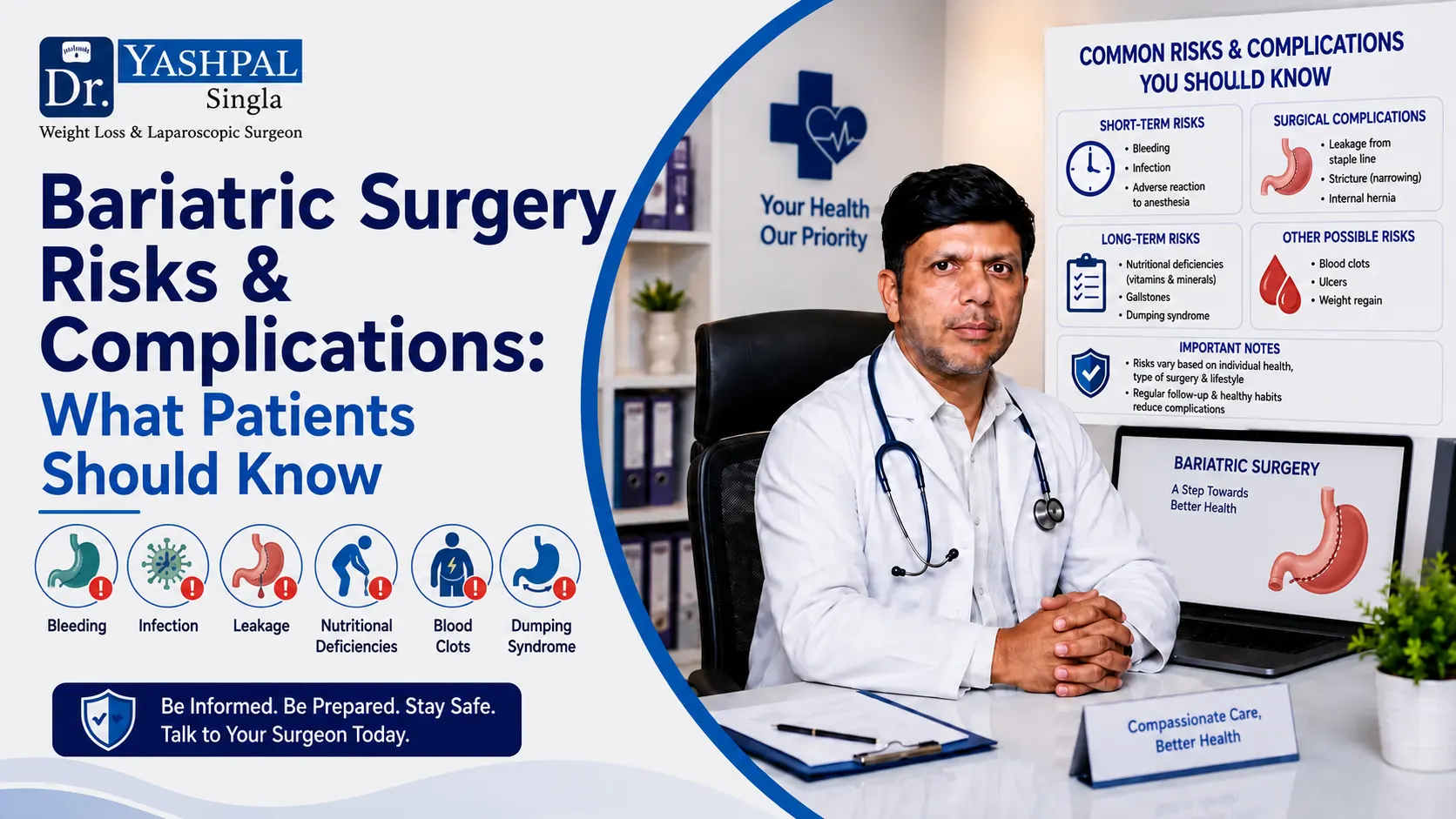
Before signing up for any surgery, it’s fair, even necessary, to ask what could go wrong. Bariatric surgery risks range from short-term concerns like infection, bleeding, and anaesthesia reactions, to longer-term issues like nutritional deficiencies, dumping syndrome, and gallstones from rapid weight loss.
Serious complications are uncommon, especially in experienced surgical hands, but understanding the full picture honestly is what actually helps you make a confident, informed decision.
Let’s go through this properly, without softening the real risks or exaggerating them either.
Why Every Surgery (Including Bariatric Surgery) Carries Some Risk
No surgery, however routine or well-established, comes with a zero-risk guarantee. This isn’t unique to bariatric surgery, it’s true of any procedure involving general anaesthesia and internal work on the body. What matters is context:
- Bariatric surgery has been performed for decades, with well-studied outcomes
- Complication rates are generally low, particularly with laparoscopic techniques
- Risk is meaningfully reduced with proper pre-surgery evaluation and an experienced surgical team
- The risks of remaining severely obese long-term often outweigh the risks of the surgery itself, for eligible patients
Framing it this way isn’t meant to minimise real concerns, it’s meant to put them in honest perspective against the alternative of untreated severe obesity, which carries its own significant, ongoing health risks.

What Is the Most Common Complication of Bariatric Surgery?
By far, the most frequently reported issue after bariatric surgery is nutritional deficiency, particularly deficiencies in vitamin B12, iron, calcium, and vitamin D.
This happens because these procedures reduce stomach size and, in some cases, alter how nutrients are absorbed, meaning your body simply takes in less of certain vitamins and minerals than before.
This is manageable, genuinely so, but it requires lifelong attention:
- Regular blood tests to monitor nutrient levels
- Lifelong vitamin and mineral supplementation
- Dietary adjustments to maximise nutrient intake from smaller meals
It’s not usually dangerous when properly monitored, but it’s also not something that resolves on its own. This is precisely why long-term follow-up matters just as much as the surgery itself.
Short-Term Risks After Bariatric Surgery
The immediate post-surgery period carries its own set of risks, most of which are manageable with proper care.
Infection & Bleeding
As with any surgery, there’s a risk of infection at incision sites or internally, along with some bleeding risk during or after the procedure. Laparoscopic techniques generally carry lower risk here compared to open surgery, thanks to smaller incisions and less tissue disruption.
Nausea & Vomiting
It’s common to experience nausea and occasional vomiting in the days and weeks following surgery, as your stomach adjusts to its new, smaller size. This usually settles as you adapt to the post-surgery diet progression, though eating too quickly or too much can trigger it even months later.
Anesthesia-Related Risks
General anaesthesia carries its own small set of risks, including reactions in patients with underlying heart or lung conditions. This is exactly why a thorough pre-surgery medical evaluation matters so much, it identifies these risks in advance rather than during the procedure.
Long-Term Bariatric Surgery Risks
Beyond the initial recovery period, certain risks show up further down the line, sometimes months or years after surgery.
Dumping Syndrome
Dumping syndrome occurs when food, particularly sugary or high-fat food, moves too quickly from the stomach into the small intestine. It causes symptoms like nausea, cramping, diarrhoea, dizziness, and a rapid heartbeat, usually within 30 minutes of eating.
It’s more common after gastric bypass than gastric sleeve, and while uncomfortable, it’s generally managed through careful dietary choices rather than further treatment.
Nutritional & Vitamin Deficiencies
As mentioned above, this is the most persistent long-term concern. Without lifelong supplementation and monitoring, deficiencies in B12, iron, calcium, and vitamin D can develop gradually, sometimes without obvious symptoms until they become significant.
Gallstones After Rapid Weight Loss
Ironically, the very weight loss that bariatric surgery is designed to achieve can itself trigger a new problem: rapid weight loss increases the risk of developing gallstones, since it changes how the liver processes cholesterol into bile.
This is a well-recognised risk, and some surgeons proactively discuss gallbladder monitoring, or in select cases, preventive gallbladder removal, as part of the overall surgical plan.
Hernia at Incision Sites
Though uncommon with laparoscopic technique, an incisional hernia can occasionally develop at one of the surgical incision sites, particularly if lifting restrictions aren’t followed carefully during early recovery. This is generally treatable if it occurs, but it’s a good reminder of why post-surgery activity restrictions genuinely matter.
What Are the Dangers of Having Bariatric Surgery Risks?
Beyond the more common complications above, there are rarer but more serious risks worth knowing honestly, even though they occur infrequently in experienced surgical settings:
- Blood clots, particularly in the legs or lungs, which is why early walking after surgery is strongly encouraged
- Leaks at surgical staple or suture lines, a rare but serious complication requiring prompt medical attention
- Bowel obstruction, which can occur, particularly after gastric bypass
- Severe malnutrition, if follow-up care and supplementation are neglected long-term
- Death, though extremely rare in modern bariatric surgery, comparable to or lower than risks associated with other common major surgeries
These serious risks are genuinely uncommon, particularly with an experienced surgical team and proper patient selection, but being aware of them supports a fully informed decision rather than one based on partial information.
Risks by Procedure: Gastric Sleeve vs Gastric Bypass
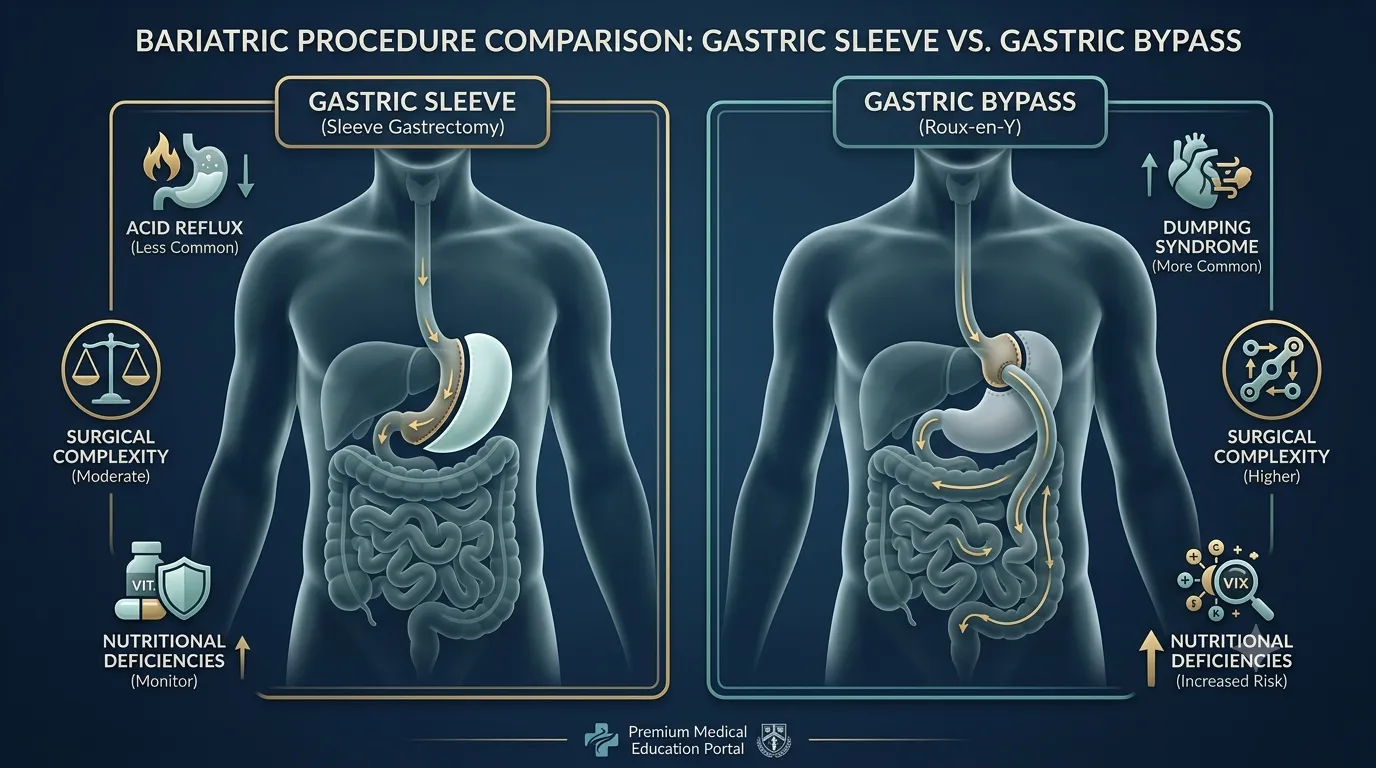
The two most common bariatric procedures carry somewhat different risk profiles.
Gastric sleeve risks:
- Lower risk of dumping syndrome and long-term nutritional deficiency compared to bypass
- Some risk of acid reflux worsening after surgery
- Slightly lower overall complication rate, since it’s a simpler procedure
Gastric bypass risks:
- Higher risk of dumping syndrome, given the altered digestive route
- Greater risk of long-term nutritional deficiencies, requiring more rigorous supplementation
- Slightly more complex procedure, with marginally higher short-term surgical risk
- Often more effective for certain conditions, like severe type-2 diabetes, which factors into the overall risk-benefit discussion
Neither procedure is universally “safer”, the right choice depends on your specific health profile, weight-loss goals, and any related conditions like diabetes or reflux.
How Meyash Hospital Minimises Bariatric Surgery Risks
At Meyash Hospital, Hisar, risk reduction starts well before the operating room. The process typically includes:
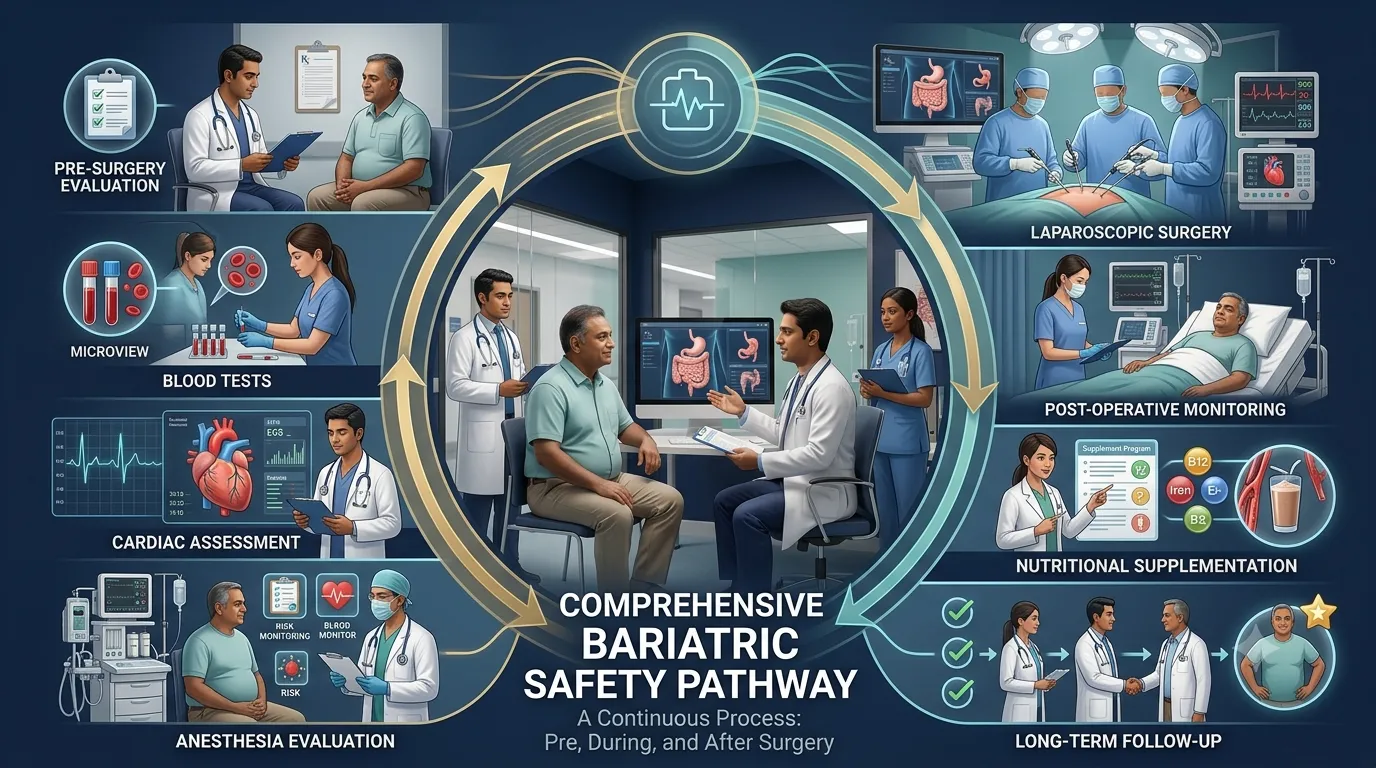
- A thorough pre-surgery medical evaluation to identify and address risk factors in advance
- Careful patient selection, ensuring candidates are genuinely fit for the specific procedure recommended
- Use of laparoscopic technique wherever appropriate, reducing infection and bleeding risk
- Structured post-surgery monitoring, including nutritional follow-up and vitamin supplementation guidance
- Clear education on warning signs, so complications are caught early rather than discovered late
This layered approach exists because minimising risk isn’t a single decision, it’s a series of careful steps taken consistently, before, during, and long after the surgery itself.
Dr. Yashpal Singla’s Approach to Risk Reduction (3,000+ Surgeries Performed)
With experience across 3,000+ surgeries performed, Dr. Yashpal Singla brings a depth of hands-on familiarity that meaningfully lowers risk, particularly with complex or borderline cases where judgement matters as much as technique.
Patients are given an honest assessment of their individual risk profile, rather than a generic list of possible complications, along with a clear plan for monitoring and managing those risks throughout their recovery and beyond.
How to Reduce Your Own Risk Before Surgery
While the surgical team manages most technical risk factors, patients genuinely play a role too:
- Complete all pre-surgery tests and evaluations honestly and thoroughly
- Disclose your full medical history, including any medications or supplements
- Follow pre-surgery dietary guidelines, since these often reduce liver size and surgical risk
- Quit smoking well ahead of surgery, since it significantly raises complication risk
- Attend every pre-surgery consultation, rather than skipping steps to save time
These aren’t just formalities. Each step genuinely reduces the odds of something going wrong during or after the procedure.
When a Risk Becomes an Emergency (Warning Signs)
Certain symptoms after bariatric surgery need urgent attention rather than a wait-and-see approach:
- Severe abdominal pain that keeps worsening
- Fever, chills, or a rapid heartbeat
- Difficulty breathing or chest pain
- Persistent vomiting or an inability to keep fluids down
- Swelling, redness, or pain in one leg, which could indicate a blood clot
- Signs of a leak, such as increasing pain, fever, and a general feeling of being seriously unwell
If any of these appear, this is a same-day hospital visit, not something to monitor from home. Early attention to these warning signs is exactly what prevents a manageable complication from becoming a genuinely dangerous one.
Conclusion
Bariatric surgery risks are real, and it would be dishonest to pretend otherwise. But they’re also well understood, generally manageable, and significantly reduced through careful patient selection, experienced surgical care, and diligent follow-up.
For most eligible patients, the risks of surgery are meaningfully lower than the long-term risks of remaining severely obese, which is exactly why an honest, thorough conversation with your surgical team matters so much before deciding.
CTA Section
If you’re weighing the risks and benefits of bariatric surgery, an honest, detailed conversation is the right place to start. Dr. Yashpal Singla at Meyash Hospital, Hisar offers experienced, safety-focused bariatric care. Book your consultation today.
FAQs
Q: What is the 30 rule for bariatric surgery risks?
The “rule of 30” typically refers to eating small meals, chewing thoroughly for 30 seconds, waiting 30 minutes before or after drinking fluids, and aiming for roughly 30 grams of protein per meal post-surgery.
Q: Who is not suitable for bariatric surgery?
Those with untreated hormonal conditions, active substance abuse, severe unmanaged psychiatric conditions, or medical conditions making anaesthesia unsafe are generally not suitable candidates until those issues are addressed.
Q: Is bariatric surgery risks for older patients?
Age alone isn’t the deciding factor, overall health and fitness for anaesthesia matter more. Older patients with well-managed health conditions can still be good candidates after thorough medical evaluation.
Q: Can bariatric surgery risks be avoided completely?
No surgery carries zero risk, but careful patient selection, experienced surgical technique, and diligent follow-up significantly reduce the likelihood of complications, making serious risks genuinely uncommon.
Q: What is the mortality risk in bariatric surgery risks?
Mortality risk is extremely low in modern bariatric surgery, generally comparable to or lower than other common major surgeries, particularly when performed by experienced surgeons with thorough pre-surgery evaluation.
Q: Are bariatric surgery risks covered under cashless insurance at Meyash Hospital?
Coverage for complications often depends on your specific insurance policy and the nature of the complication. It’s best to confirm exact details directly with the Meyash Hospital, Hisar team.
This article has been reviewed by the medical team at Meyash Hospital, Hisar. For personalized advice, consult Dr. Yashpal Singla or our specialists directly.