
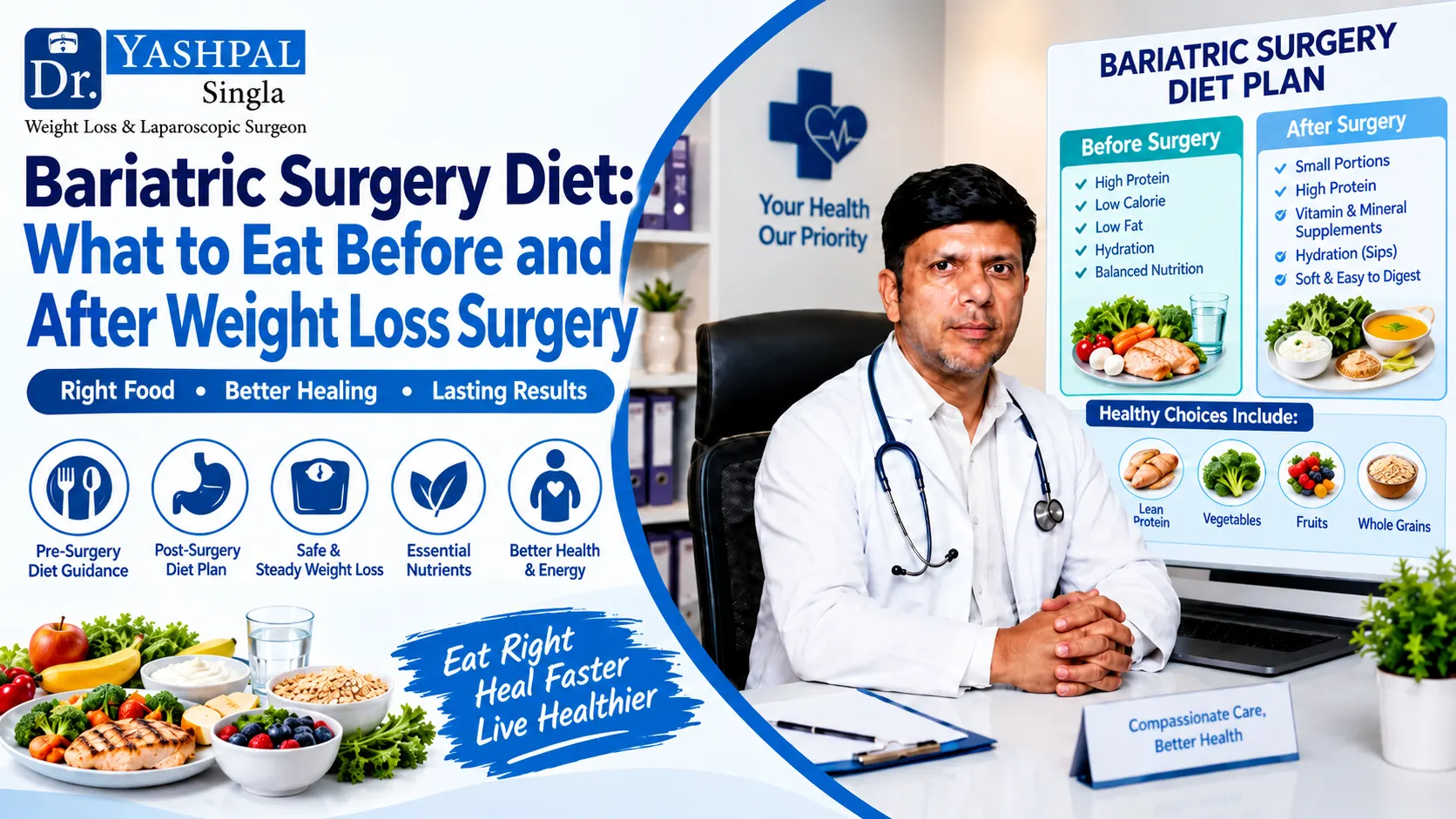
Preparing for weight loss surgery involves more than choosing a procedure and getting ready for the operation. What you eat before and after surgery plays an important role in your recovery, nutritional health, and long-term results.
A Bariatric Surgery Diet is a carefully planned eating routine that helps your body prepare for surgery and adjust to a smaller stomach afterward. It usually begins before the operation and continues through several stages of recovery.
In the beginning, you may need to follow a liquid diet. As your body heals, you will gradually move to pureed foods, soft foods, and eventually regular food textures. Each stage has a purpose, and moving through them at the right pace helps protect your healing stomach.
In this article, we will explain what to eat before and after weight loss surgery, how the different diet stages work, which foods to avoid, and how to support your recovery with the right nutrition.
Why the Bariatric Surgery Diet Matters So Much
A Bariatric Surgery Diet is important because bariatric surgery changes how much food your stomach can hold and, depending on the procedure, how your body absorbs nutrients.
After surgery, your stomach needs time to heal. Eating the wrong foods too soon, taking large bites, or eating too quickly can cause discomfort and may interfere with recovery.

Following your prescribed eating plan helps you:
- Give your stomach time to heal after surgery.
- Reduce the risk of nausea, vomiting, and digestive discomfort.
- Get enough protein to support healing and protect muscle.
- Stay hydrated throughout recovery.
- Reduce the risk of nutritional deficiencies.
- Adjust to smaller portions and new eating habits.
- Support healthy weight loss over time.
The diet also helps you learn how to eat comfortably with a smaller stomach.
For example, you may need to take smaller bites, chew food thoroughly, and stop eating as soon as you feel comfortably full. These habits may feel unfamiliar at first, but they become easier with practice.
A Bariatric Surgery Diet is not simply a short-term weight loss plan. It is a gradual change in eating habits that supports recovery and long-term health.
What to Eat Before Bariatric Surgery
Preparing your body before surgery can help make the procedure and recovery more manageable.
A pre-surgery Bariatric Surgery Diet is often designed to support weight management and reduce the size of the liver before the operation. The exact plan depends on your starting weight, medical condition, type of surgery, and your surgeon’s instructions.
The Pre-Surgery Liquid Diet
Some patients are asked to follow a liquid diet for a short period before surgery.
This diet may include protein shakes, approved soups, low-fat dairy products, and other liquids recommended by the medical team.
Foods That May Be Included Before Surgery
Depending on your prescribed plan, your pre-surgery meals may include:
- Protein shakes approved by your dietitian.
- Eggs and other lean protein sources, if solid foods are allowed.
- Low-fat yogurt or milk, if suitable for your plan.
- Clear or low-fat soups.
- Cooked vegetables in approved portions.
- Small servings of other foods recommended by your care team.
Some patients may need to limit foods that are high in sugar, fat, or calories.
If you have diabetes, your medication may need adjustment during the preoperative diet. Speak with your doctor before making major changes to your food intake.
Why Doctors Ask You to Shrink Your Liver First
The liver is located close to the stomach, which means it can affect how easily the surgeon reaches the stomach during surgery.
In people living with obesity, the liver may become enlarged because of fat stored in it. This can make the operation more difficult.
A preoperative Bariatric Surgery Diet should always be followed under medical supervision, especially if you take medication for diabetes, blood pressure, or other health conditions.
Bariatric Surgery Diet After Surgery: Stage by Stage
After surgery, your stomach needs time to heal. You will not be able to return to your usual meals immediately.
Instead, your care team will guide you through several stages of eating. Each stage gradually introduces different food textures while helping you meet your hydration and nutritional needs.
The timing of these stages can vary. Some hospitals use slightly different schedules, and patients may progress more slowly if they experience discomfort or difficulty tolerating food.
The following stages are a general guide, not a fixed schedule. Always follow the specific instructions provided by your surgeon and dietitian.
Stage 1: Clear Liquids (Days 1–3)
The first stage usually focuses on clear liquids that are easy to swallow and digest.
Your medical team may allow small amounts of water, clear broth, and other approved drinks.
The goal is to help you stay hydrated while your stomach begins to heal.
You may need to take very small sips throughout the day rather than drinking a full glass at once.
Examples of clear liquids may include:
- Water
- Clear, low-fat broth
- Sugar-free clear drinks approved by your team
- Other clear fluids prescribed by your hospital
The exact list may differ depending on your procedure and hospital protocol.
During this stage, you may not be able to drink much at one time. That is normal, but you should follow your care team’s instructions about how much fluid to aim for.
Do not force yourself to drink quickly. If you cannot keep fluids down or experience repeated vomiting, contact your medical team promptly.
Stage 2: Full Liquids (Week 1–2)
Once your surgeon confirms that you are ready, you may move to full liquids.
These are liquids that are smooth and do not contain solid pieces of food.
This stage helps you gradually increase your nutritional intake while keeping the texture easy to tolerate.
A Bariatric Surgery Diet during this stage may include protein-rich liquids to help you meet your nutritional needs.
Examples of full liquids may include:
- Protein shakes recommended by your dietitian.
- Smooth, low-fat milk or suitable alternatives.
- Thin, smooth yogurt without pieces.
- Strained soups.
- Other approved liquids that provide protein and nutrients.
Your dietitian may recommend a specific protein target and help you choose drinks that fit your needs.
Avoid drinks that contain large amounts of sugar, as they may cause digestive discomfort and make it harder to meet your nutritional goals.
Some patients may need to remain on full liquids longer than others. Do not move to the next stage until your medical team says it is safe.
Stage 3: Pureed Food (Week 2–4)

During the pureed food stage, you may gradually introduce foods that have been blended into a smooth texture.
The food should be soft enough to swallow without chewing large pieces.
This stage helps your body adjust to eating food again while keeping the texture gentle on your healing stomach.
Examples of pureed foods may include:
- Blended lentils or dal.
- Smooth, mashed eggs.
- Pureed fish or tender chicken blended with approved liquid.
- Smooth yogurt.
- Blended vegetables.
- Soft, pureed beans or other protein-rich foods.
Your dietitian can help you prepare foods that provide enough protein and nutrients.
Avoid foods that contain lumps, skins, seeds, or hard pieces unless your care team has specifically approved them.
Eat slowly and begin with small amounts. Your stomach may feel full after only a few spoonfuls.
If a food causes pain, nausea, or vomiting, stop eating it and contact your medical team if symptoms continue.
Stage 4: Soft Food (Week 4–6)
Once you can tolerate pureed foods comfortably, your care team may allow soft foods.
These foods should be tender, moist, and easy to chew.
This stage introduces more variety while helping you practice eating slowly and recognizing fullness.
Examples of soft foods may include:
- Soft scrambled eggs.
- Tender, finely chopped fish.
- Moist, finely minced chicken.
- Soft cooked vegetables.
- Cottage cheese or other suitable soft dairy products.
- Well-cooked lentils.
- Soft fruit without tough skins, if approved.
Protein should remain a priority during this stage.
Some foods that seem soft may still be difficult to tolerate. Dry meat, tough vegetables, and bread can cause discomfort for some patients.
Take small bites, chew thoroughly, and stop when you feel full.
A Bariatric Surgery Diet at this stage should focus on foods that are both easy to tolerate and nutritionally useful.
Stage 5: Regular Textures (Week 6+)
After your stomach has healed enough, your surgeon or dietitian may gradually allow regular food textures.
This does not mean returning to your old eating habits or eating large portions.
Instead, you will learn how to eat a variety of foods in smaller amounts while meeting your nutritional needs.
Foods that may be introduced gradually include:
- Tender chicken, fish, and other lean protein sources.
- Eggs.
- Well-cooked vegetables.
- Soft fruits.
- Lentils, beans, and other suitable plant-based proteins.
- Small portions of whole grains, if tolerated.
Your individual tolerance will vary. Some foods may remain difficult to eat, even months after surgery.
Continue to eat slowly, chew thoroughly, and avoid eating beyond comfortable fullness.
Your dietitian can help you create a balanced Bariatric Surgery Diet that fits your nutritional needs and supports long-term weight management.
Foods to Avoid After Bariatric Surgery
After bariatric surgery, some foods may be difficult to tolerate or may cause digestive discomfort. Others can make it harder to meet your nutritional goals.
The foods you need to avoid may change as you move through the different stages of recovery.
A Bariatric Surgery Diet usually focuses on nutrient-rich foods that are easy to digest and provide enough protein, vitamins, and minerals.
Here are some common foods and drinks that patients may need to limit or avoid.
1. Sugary Foods and Drinks
Foods and drinks that contain a lot of added sugar can make it harder to manage your nutritional intake.
After gastric bypass, sugary foods may also trigger dumping syndrome in some patients.
Try to limit or avoid:
- Sugary soft drinks.
- Sweetened fruit juices.
- Cakes and pastries.
- Candies and chocolates with high sugar content.
- Sweetened tea and coffee.
- Desserts with large amounts of added sugar.
If you want something sweet, ask your dietitian about options that fit your eating plan.
2. Fried and High-Fat Foods
Fried foods and meals that contain a lot of fat may cause nausea, stomach discomfort, or diarrhea in some patients.
Examples include deep-fried snacks, greasy fast food, and heavily buttered dishes.
3. Tough or Dry Meats
Some patients find it difficult to tolerate dry or tough meats after surgery.
Examples include dry chicken, tough cuts of meat, and meat that has not been cooked until tender.
4. Foods That Are Difficult to Chew
Certain foods may be difficult to swallow comfortably, especially during the early stages of recovery.
These may include:
- Raw vegetables with tough skins.
- Dry bread.
- Popcorn.
- Nuts and seeds during early recovery.
- Tough fruit skins.
5. Carbonated Drinks
Carbonated drinks contain gas that may cause bloating or discomfort after surgery.
Some patients find that fizzy drinks make them feel uncomfortably full.
6. Alcohol
Alcohol can affect the body differently after bariatric surgery.
After some procedures, alcohol may be absorbed more quickly, and its effects may be stronger or last longer than before surgery.
Alcohol can also irritate the stomach, contribute to dehydration, and provide calories without essential nutrients.
7. Excessive Caffeine
Coffee, tea, and other caffeinated drinks may need to be limited during early recovery.
Caffeine can contribute to stomach discomfort in some patients and may make it harder to stay hydrated if it replaces water or other recommended fluids.
Your medical team can tell you when you may reintroduce coffee or tea and how much is appropriate.
The main goal is to avoid foods and drinks that interfere with healing, hydration, or nutritional health.
The Protein-First Rule Explained
Protein is one of the most important parts of eating after bariatric surgery. Your body needs protein to repair tissues, maintain muscle, and support recovery.
However, your smaller stomach may make it difficult to eat enough protein in large meals.

What does protein first mean?
The protein-first rule means choosing protein-rich foods before filling your plate with other foods.
When your stomach can hold only a small amount of food, starting with protein helps you make the most of each meal.
Depending on your diet stage, suitable protein sources may include:
- Eggs.
- Fish.
- Lean chicken or other tender meats.
- Yogurt and other suitable dairy products.
- Cottage cheese.
- Lentils and beans.
- Tofu.
- Protein supplements recommended by your dietitian.
The best choices depend on your food tolerance, dietary preferences, and nutritional needs.
How much protein do you need?
Protein requirements after surgery vary from person to person.
Many bariatric programs recommend a daily target somewhere around 60–100 grams for adults, but your individual requirement may be lower or higher depending on your body size, procedure, medical condition, and activity level.
How to include protein in small meals
You do not need to eat a large portion of protein at one time.
Instead, you can spread your intake across several small meals and approved protein drinks.
For example:
- Start breakfast with an egg or suitable yogurt.
- Include soft fish, chicken, or lentils at lunch.
- Choose a protein-rich snack if your plan allows it.
- Include another protein source at dinner.
During the early stages, your dietitian may recommend protein shakes because solid foods are not yet allowed.
Protein and hydration work together
Getting enough protein is important, but hydration matters just as much. After surgery, you may need to drink small amounts frequently throughout the day.
A Bariatric Surgery Diet should balance protein, fluids, and other nutrients rather than focusing on just one part of nutrition.
Common Diet Mistakes After Bariatric Surgery
Adjusting to a smaller stomach takes time. Many patients need to change not only what they eat but also how they eat. A few common mistakes can make recovery more uncomfortable or increase the risk of nutritional problems.
Understanding these mistakes can help you follow your Bariatric Surgery Diet more comfortably and safely.
1. Eating Too Quickly
Eating too quickly is one of the most common challenges after surgery. Your stomach can hold much less food than before, so large bites or fast eating may cause discomfort.
You may experience pressure, nausea, or a feeling that food is stuck.
To avoid this:
- Take small bites.
- Chew food thoroughly.
- Put your spoon or fork down between bites.
- Eat slowly.
- Stop when you feel comfortably full.
Learning to slow down can make meals more comfortable.
2. Eating More Than Your Stomach Can Handle
After surgery, your stomach may feel full after only a small amount of food. Trying to eat more than you can comfortably tolerate may cause pain, nausea, or vomiting.
3. Not Drinking Enough Water
Some patients struggle to drink enough fluids because their stomach feels full quickly.
However, dehydration can lead to dizziness, weakness, headaches, and other problems. Keep approved fluids nearby and take small sips throughout the day.
4. Not Eating Enough Protein
Because portions are small, patients may fill up on foods that provide little protein. Over time, this can make it difficult to meet protein needs and maintain muscle.
5. Moving to Solid Foods Too Early
Your stomach needs time to heal after surgery. Introducing solid foods before your surgeon approves them may cause discomfort and interfere with recovery.
6. Drinking Sugary Beverages
Sugary drinks can add a lot of calories without providing enough nutrients. After gastric bypass, they may also trigger dumping syndrome in some patients.
Choose drinks that fit your prescribed plan and avoid using sweetened beverages as a replacement for water or protein-rich foods.
7. Ignoring Vitamin and Mineral Supplements
Some patients stop taking supplements when they begin feeling better.
However, nutritional deficiencies may develop without obvious symptoms at first. Your body may need lifelong vitamin and mineral supplements after bariatric surgery, especially after procedures that affect nutrient absorption.
8. Ignoring Persistent Symptoms
Occasional discomfort may happen as you adjust to new eating habits, but persistent symptoms should not be ignored.
Contact your medical team if you experience repeated vomiting, ongoing abdominal pain, difficulty swallowing, or an inability to drink enough fluids.
Seek urgent medical care for severe abdominal pain, chest pain, difficulty breathing, fainting, or repeated vomiting with an inability to keep fluids down.
A Bariatric Surgery Diet should support your recovery and health. If eating becomes consistently difficult, your care team needs to know.
Bariatric Meal Planning Support at Meyash Hospital, Hisar
Planning meals after bariatric surgery can feel confusing, especially during the first few weeks. You may be unsure about portion sizes, protein sources, food textures, and how to get enough nutrients while eating much smaller meals.
At Meyash Hospital, Hisar, patients can ask about the nutritional guidance and follow-up services available before and after bariatric surgery.
A personalized Bariatric Surgery Diet should take into account the type of procedure, your medical history, food preferences, and recovery progress.
Dietitian-Guided Nutrition Alongside Dr. Yashpal Singla’s Team
Dr. Yashpal Singla is the doctor named in the brief for this article. The availability of a dedicated bariatric dietitian and the exact nutrition services offered at Meyash Hospital should be confirmed directly with the hospital before publication.
Dietitian-guided care, when available, can help patients understand what to eat at each stage of recovery and how to meet their nutritional needs.
A personalized nutrition plan may cover the following areas.
Pre-surgery preparation: Patients may receive guidance on the prescribed diet before surgery, including any liquid diet requirements and food restrictions.
Stage-by-stage meal planning: The dietitian can help patients understand when and how to move from liquids to pureed foods, soft foods, and regular textures.
Protein and hydration goals: Patients can learn how to meet their daily protein and fluid targets through small, manageable meals and approved drinks.
Why Personalized Meal Planning Matters
A meal plan that works for one patient may not work for another.
For example, someone who has undergone sleeve gastrectomy may have different nutritional needs from someone who has undergone gastric bypass.
Patients with diabetes, kidney disease, food allergies, or other medical conditions may also need special dietary adjustments.
A personalized plan helps make sure that food choices support both recovery and overall health.
Conclusion
A Bariatric Surgery Diet is an important part of preparing for weight loss surgery and recovering afterward. It helps your body heal, supports healthy weight loss, and reduces the risk of nutritional problems.
Before surgery, your doctor may recommend a special eating plan to prepare your body for the procedure. After surgery, you will gradually move through different stages, starting with liquids and progressing to pureed foods, soft foods, and regular textures.
Protein, hydration, and prescribed vitamin and mineral supplements are essential parts of long-term care.
Take the Next Step Toward Better Nutrition
Preparing for bariatric surgery or adjusting to your new eating routine?
Contact Meyash Hospital, Hisar, to ask about bariatric surgery consultations and the nutritional guidance available before and after surgery.
Speak with Dr. Yashpal Singla about your treatment options, recovery needs, and the importance of a personalized eating plan.
FAQs
1. How long is the liquid diet after bariatric surgery?
The liquid diet after bariatric surgery usually lasts for the first one to two weeks, but the exact duration depends on your procedure and recovery.
2. When can I eat normal food after bariatric surgery?
Many patients gradually begin eating regular food textures around six weeks after surgery. However, the timing varies depending on the procedure, healing, and food tolerance.
3. Do I need supplements permanently after bariatric surgery?
Many patients need lifelong vitamin and mineral supplements after bariatric surgery.
The exact supplements depend on the type of procedure, blood test results, and individual nutritional needs.
4. Can I drink coffee or alcohol after bariatric surgery?
Coffee may be reintroduced gradually when your surgeon says it is appropriate. Some patients need to avoid caffeine during early recovery because it may cause discomfort or interfere with hydration.
Alcohol requires extra caution. It may be absorbed more quickly after certain bariatric procedures and can have stronger effects than before surgery.
5. Does Meyash Hospital provide a personalized diet plan?
Please contact Meyash Hospital, Hisar, directly to confirm whether personalized dietitian support is available and how meal planning is arranged.
You can ask about the prescribed Bariatric Surgery Diet, protein requirements, supplement guidance, and follow-up appointments.
A personalized plan should take into account your procedure, medical history, nutritional needs, and recovery progress.