


Maybe it’s a dull ache in your lower back that won’t quite go away. Maybe it’s getting up four times a night to use the bathroom, and you’ve quietly started avoiding long car rides because of it. Urology problems have a way of creeping in slowly,
getting explained away for months, until they finally reach the point where searching for answers online feels like the only option left at 1am. Add to that the fact that these conditions often feel a little embarrassing to bring up out loud, and it’s no surprise so many people quietly live with symptoms for far longer than they should.
Here’s the direct answer. Urology surgery covers the surgical treatment of conditions affecting the kidneys, bladder, prostate, and urinary tract, everything from removing a stubborn kidney stone to treating an enlarged prostate to more complex procedures for cancer.
Most of it today is done through minimally invasive techniques, meaning small incisions or, for many kidney stone cases, no incisions at all.
These are some of the most common conditions a general surgeon or urologist sees, and the treatments are well established, often quicker and less disruptive than people expect. Let’s go through what urology surgery actually covers, what causes these conditions, and what treatment and recovery genuinely look like,
without the embarrassment that so often keeps people from asking these questions out loud in the first place.
What Is Urology Surgery? (And What Does a Urologist Treat?)
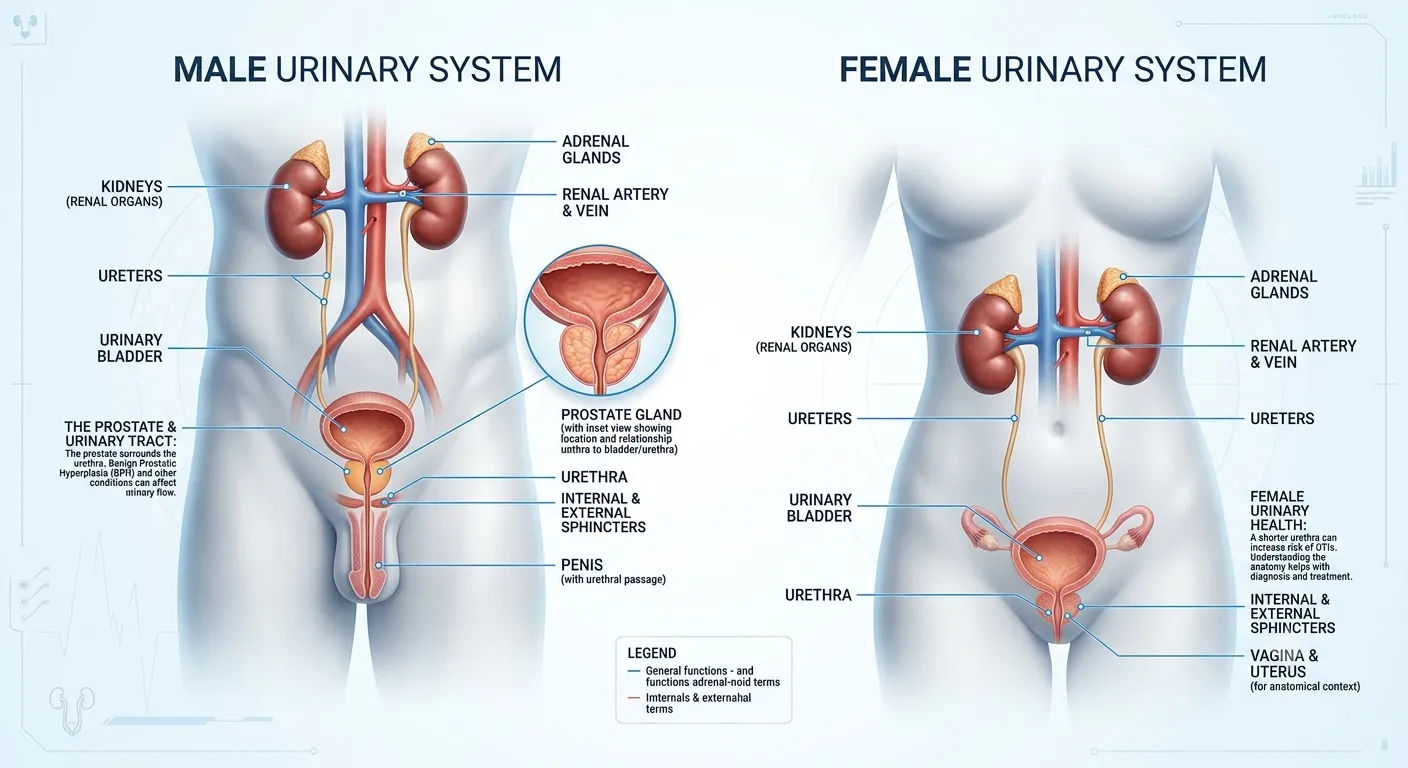
Urology is the branch of medicine dealing with the urinary tract in both men and women, plus the male reproductive system specifically. That covers the kidneys, ureters (the tubes carrying urine from kidneys to bladder), the bladder itself, and in men, the prostate gland. It’s a broader field than most people realize,
touching everything from a straightforward urinary infection to complex cancer surgery, and it overlaps closely with general and laparoscopic surgery in many of its procedures.
Urology surgery, then, is the surgical side of treating problems in any of these areas, removing kidney stones that won’t pass on their own, relieving an enlarged prostate that’s blocking normal urination, treating bladder tumors, and a range of other procedures.
Many of these are now performed using minimally invasive techniques, endoscopic procedures through the body’s natural passages, or laparoscopic surgery through small incisions, which has changed recovery timelines dramatically compared to the open surgeries these conditions once required, sometimes cutting recovery time from weeks down to just days.
What Are the Most Common Urology Surgeries?
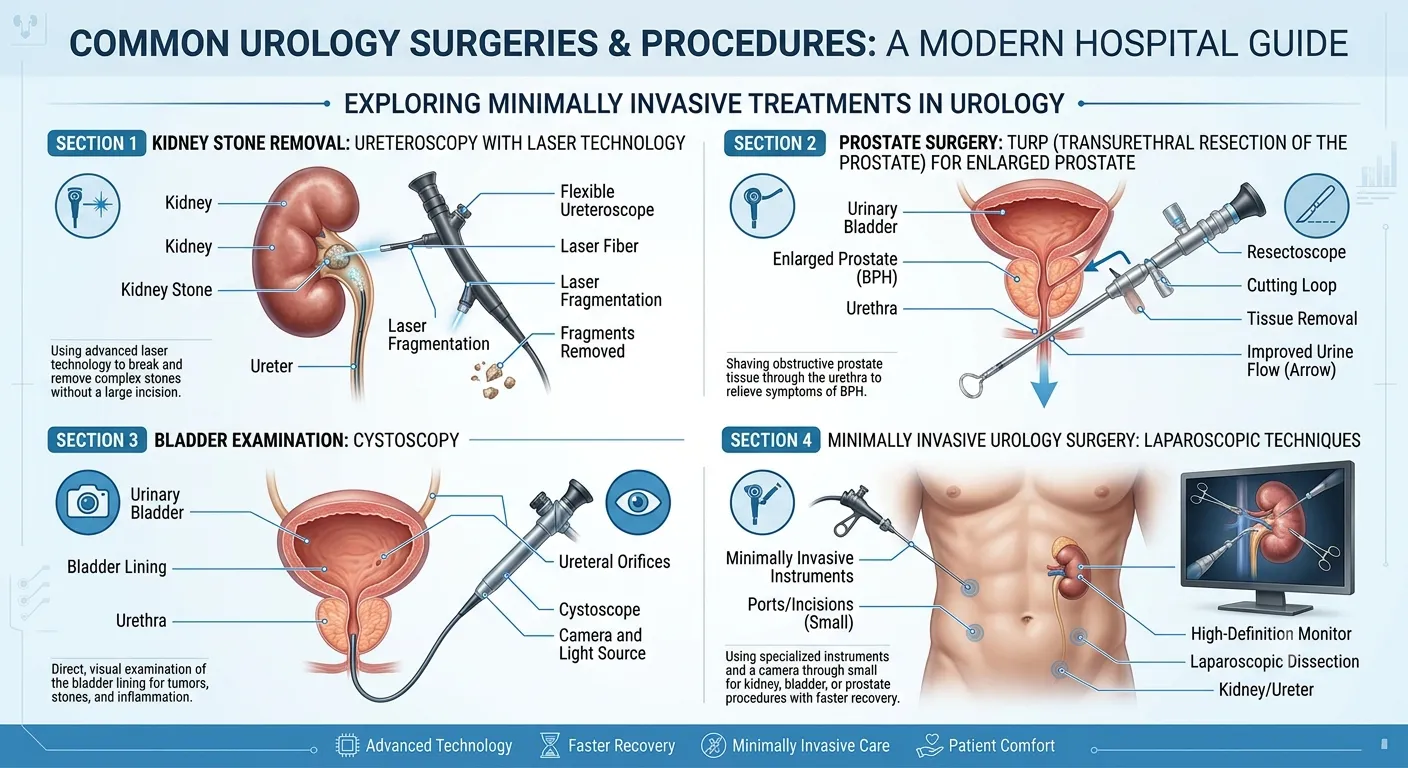
Urology surgery spans a wide range of procedures, from quick, same-day scope procedures to more involved surgeries for cancer. Here are the ones seen most often in everyday practice.
1. Kidney Stone Removal (Ureteroscopy / RIRS)
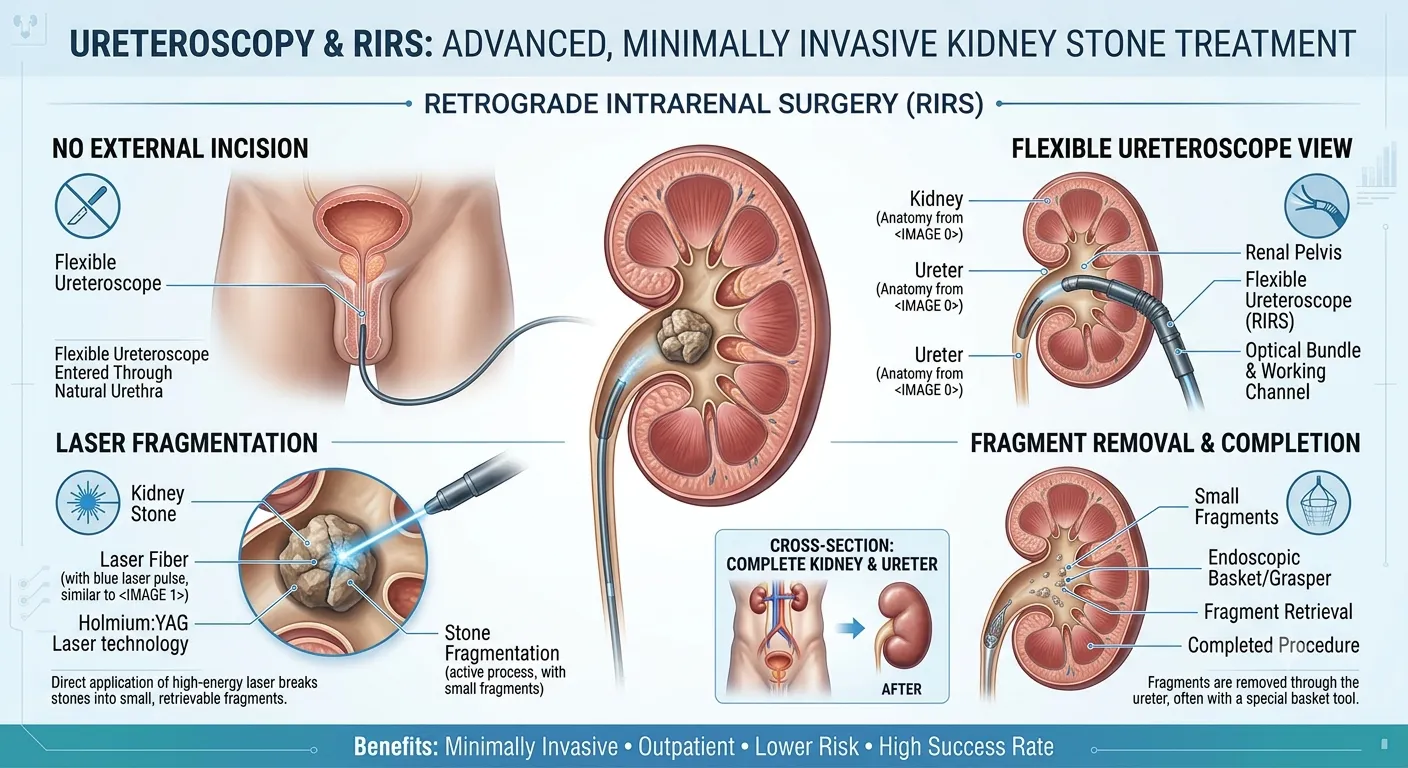
For stones that won’t pass naturally, a thin scope is passed through the urinary tract, no external incision needed, to locate and break up the stone, often using a laser, before removing the fragments.
This approach, sometimes called RIRS (Retrograde Intrarenal Surgery) for stones inside the kidney itself, has largely replaced more invasive stone removal for small to medium-sized stones, and most patients are surprised by how quickly they’re back to normal afterward.
2. Percutaneous Nephrolithotomy (PCNL) for Large Stones
For larger kidney stones that ureteroscopy can’t handle efficiently, PCNL involves a small incision in the back to access the kidney directly and remove the stone.
It’s more involved than ureteroscopy but still far less invasive than traditional open stone surgery, and it remains the go-to option for large or complex stone burdens, particularly staghorn stones that fill much of the kidney’s internal collecting system.
3. TURP, Prostate Surgery for Enlarged Prostate (BPH)
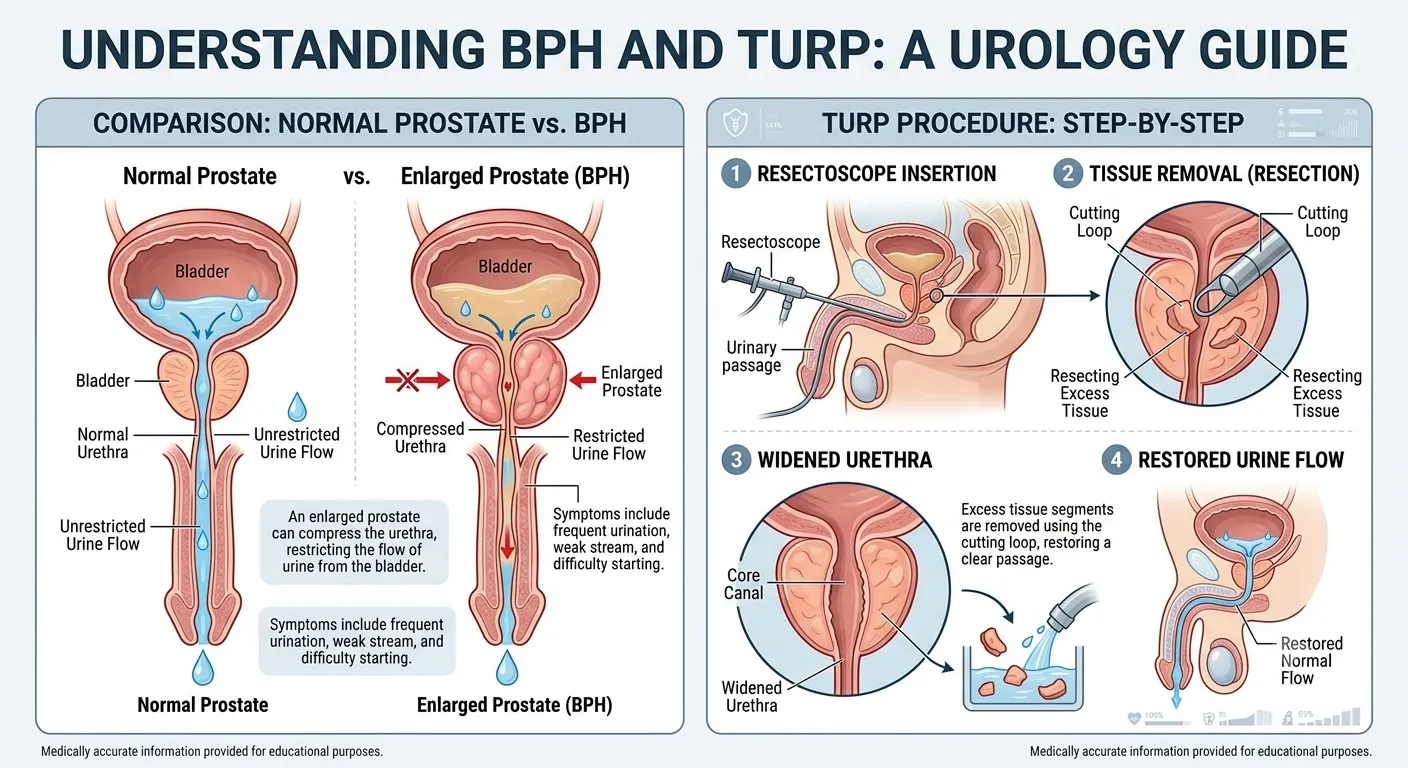
Transurethral resection of the prostate is the standard surgical treatment for benign prostatic hyperplasia (BPH), a non-cancerous enlargement of the prostate that becomes increasingly common with age.
The procedure is done entirely through the urethra, with no external incision, trimming away excess prostate tissue that’s blocking normal urine flow, and most patients notice a significant improvement in urinary symptoms almost immediately after recovery.
4. Prostatectomy for Prostate Cancer
When prostate cancer requires surgical treatment, a prostatectomy removes the prostate gland entirely, increasingly performed laparoscopically or with robotic assistance rather than through open surgery,
which has meaningfully improved recovery times for patients facing this diagnosis and reduced some of the longer-term side effects associated with older surgical techniques.
5. Cystoscopy and Bladder Procedures
A cystoscopy uses a thin scope passed through the urethra to examine the bladder directly, both for diagnosis and for treating certain bladder tumors or abnormalities in the same sitting. It’s one of the more routine procedures in urology, often done as a day-care procedure with minimal downtime afterward.
6. Vasectomy
A straightforward, quick procedure for permanent male contraception, done under local anesthesia in most cases, involving small incisions to the scrotum to block the tubes that carry sperm. Most patients are back to normal activity within a few days, with strenuous activity restricted for about a week.
7. Varicocele Surgery
Treats enlarged veins in the scrotum, similar to varicose veins elsewhere in the body, which can affect fertility and cause discomfort, particularly a dull ache that worsens by the end of a long day standing. Modern approaches are typically laparoscopic or microsurgical, with a relatively quick recovery and good outcomes for fertility-related concerns.
8. Kidney Removal (Nephrectomy)
Performed for kidney cancer, severe kidney damage, or occasionally to donate a kidney, this procedure is now most often done laparoscopically, removing part or all of the kidney through small incisions rather than the large open incision this surgery once required,
which has considerably shortened hospital stays for what used to be one of the more demanding recoveries in urology.
Common Causes Behind Urology Conditions
Kidney stones and prostate issues are the two most common reasons people end up needing urology surgery, but the underlying causes behind each are quite different from one another.
Kidney Stones, Diet, Dehydration and Genetics
Kidney stones form when minerals and salts in urine crystallize, usually because urine is too concentrated, most commonly from not drinking enough water, especially in hot climates or physically demanding jobs where fluid loss through sweat is high, which is genuinely relevant for a region like Haryana where summer heat makes dehydration a real everyday risk.
Diets heavy in salt, animal protein, or oxalate-rich foods can contribute, and genetics plays a real role too, a family history of kidney stones meaningfully raises your own risk, regardless of diet.
Enlarged Prostate, Age-Related Changes
BPH is largely driven by age-related hormonal changes that cause the prostate to gradually enlarge, a process that affects the majority of men to some degree as they get older. It isn’t cancer, and it isn’t caused by anything the patient did wrong,
it’s simply a common part of the aging process for the prostate gland, though the resulting urinary symptoms are exactly what eventually brings most patients in for evaluation, often years after the symptoms first started being noticeable.
Symptoms That Mean You Should See a Urologist
Warning Signs of Kidney Stones
Sudden, severe pain in the back or side, often radiating toward the lower abdomen or groin, is the classic sign, frequently described as one of the most intense pains a person can experience, often compared to labor pain in its intensity.
Alongside that, watch for blood in the urine, nausea, vomiting, and a persistent urge to urinate without much output. Fever alongside these symptoms suggests a possible infection and needs urgent attention rather than waiting for the pain to pass on its own.
Warning Signs of Prostate and Bladder Problems
A weak urine stream, frequent nighttime urination, difficulty starting or stopping urination, and a sense of incomplete emptying are all common signs of an enlarged prostate.
Blood in the urine, unexplained pelvic pain, or a sudden change in urinary habits should always prompt a proper evaluation rather than being brushed off as “just getting older”, these particular symptoms deserve an actual diagnosis, not an assumption.
What Is the Surgery for Bladder Removal (Cystectomy) and When Is It Needed?
A cystectomy removes part or all of the bladder, most commonly performed for bladder cancer that has invaded the bladder muscle wall or hasn’t responded adequately to less invasive treatments.
A partial cystectomy removes just the affected portion, while a radical cystectomy removes the entire bladder, and in men, often nearby structures like the prostate as well, since the cancer risk in this region tends to be interconnected.
When the entire bladder is removed, the surgeon also needs to create a new way for urine to leave the body, either through a reconstructed pouch made from a piece of intestine that connects to the urethra, or through a stoma that connects to an external collection bag.
This sounds like a significant adjustment, and it genuinely is, but modern reconstructive techniques mean most patients adapt well over time, with good long-term function and a return to a largely normal daily routine, often within a few months of the initial surgery and adjustment period.
When to See a Urologist
If you’ve noticed blood in your urine, even just once, that’s always worth getting checked rather than dismissed as a one-off. Persistent back or flank pain, especially if it comes in waves, difficulty urinating,
a weak stream that’s gradually worsened, or waking up multiple times a night to urinate are all reasons to book a proper consultation rather than adjusting your life around the symptom indefinitely.
It’s genuinely common for patients to wait months, sometimes years, hoping symptoms like these will simply resolve on their own, they rarely do without a proper diagnosis and treatment plan, and the earlier urology surgery is considered when it’s genuinely needed, the more treatment options tend to remain available.
Diagnosis
Diagnosis usually starts with a urine test to check for blood, infection, or crystals, alongside blood tests including a PSA test for men, which screens for prostate-related concerns. Imaging, typically an ultrasound as a first step, followed by a CT scan for more detail, particularly for kidney stones, helps pinpoint exactly what’s happening and where.
For bladder concerns specifically, a cystoscopy often provides the clearest direct look, sometimes allowing treatment in the same visit if a smaller issue is found. Most of this diagnostic workup can be completed within a day or two, which means a clear treatment plan usually isn’t far behind the first consultation,
sparing patients the drawn-out uncertainty that so often makes these symptoms feel worse than they actually are.
What Happens During Urology Surgery
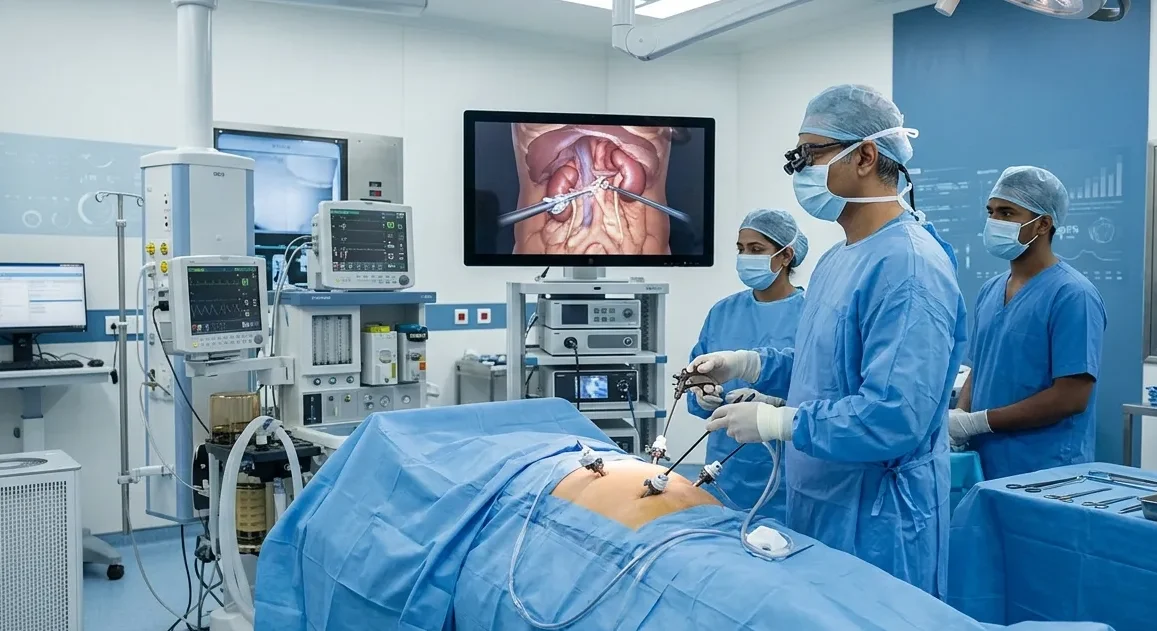
Most urology procedures today are done under general or regional anesthesia, with the specific approach depending on the procedure. For endoscopic surgeries like ureteroscopy, TURP, or cystoscopy, there’s no external incision at all, the surgeon works entirely through the body’s natural passages using a scope and specialized instruments,
often guided by real-time imaging on a monitor. For laparoscopic procedures like a nephrectomy or prostatectomy, three or four small incisions allow a camera and instruments in, similar to other minimally invasive surgeries.
Most procedures take between thirty minutes and two hours, depending on complexity, and patients are moved to a recovery area afterward where the team monitors vitals as the anesthesia wears off. For same-day procedures, patients typically go home a few hours later once they’re alert and stable;
for more involved surgeries, an overnight stay or two allows the team to monitor healing more closely before discharge.
Urology Surgery Treatment at Meyash Hospital, Hisar
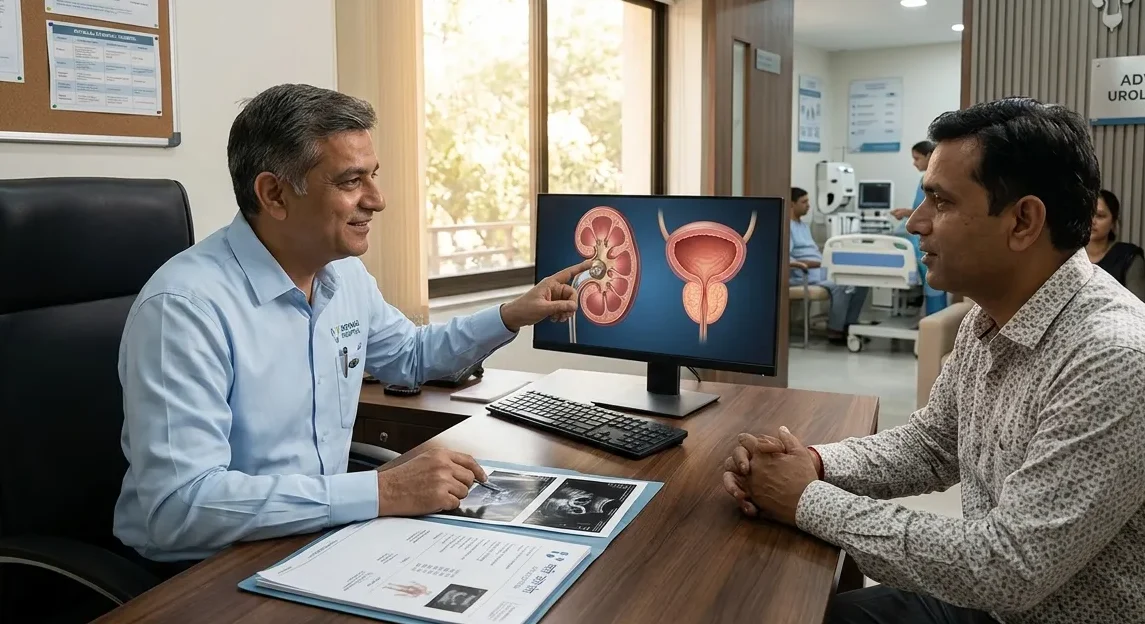
Meyash Hospital treats urological conditions as part of its broader minimally invasive surgical program, with the imaging, endoscopic equipment, and laparoscopic capability that modern urology care depends on, alongside general anesthesia support and 24×7 emergency care for the acute presentations,
like an obstructing kidney stone, that occasionally need same-day attention rather than a scheduled appointment.
Minimally Invasive Urology Care Under Dr. Yashpal Singla’s Team
Dr. Yashpal Singla’s surgical department, built around 25,000+ laparoscopic surgeries of combined experience and 100,000+ patients treated, supports the hospital’s urology care with the same minimally invasive philosophy applied across every specialty at Meyash, smaller incisions, faster recovery,
and a personally-involved consultation rather than being shuffled between departments. As Former HOD & Senior Consultant at Jindal Hospital, Hisar, that same standard of experienced, unhurried care extends to how urological cases are evaluated and referred within the hospital’s multi-disciplinary team,
so patients get a coordinated plan rather than fragmented advice from different specialists.
Cost of Urology Surgery in Hisar and Nearby Haryana
The cost of urology surgery depends heavily on the specific procedure, a straightforward ureteroscopy for a small kidney stone is a very different undertaking, in time and complexity, from a PCNL for a large stone or a prostatectomy for cancer.
Hospital stay length, anesthesia requirements, and any additional imaging or lab work all factor into the final cost as well, and cases involving infection or complications naturally require more extensive care than a routine, uncomplicated procedure.
For patients from Hisar and nearby Haryana towns including Hansi, Barwala, and Adampur, Meyash Hospital’s empanelment with major insurers and TPAs, including Star Health, Care Health, Niva Bupa, HDFC ERGO, and the Haryana Government and Ayushman Bharat panels, means cashless treatment is available for those who qualify.
The billing team will confirm your specific policy coverage and walk you through the numbers clearly before your procedure date, with flexible payment options available for anyone paying out of pocket.
Recovery After Urology Surgery
Recovery After Kidney Stone Surgery
Ureteroscopy typically involves going home the same day, with mild discomfort for a few days as the body clears any remaining stone fragments, a stent is sometimes placed temporarily to help with this and removed at a short follow-up visit, which is usually the only mildly uncomfortable part of the whole recovery.
PCNL, being slightly more involved, usually means a one-to-two-day hospital stay, with a return to normal activity generally within one to two weeks.
Recovery After Prostate Surgery
TURP typically involves a one-to-two-day hospital stay, with a catheter in place for a few days afterward while the area heals, and most patients return to normal activity within two to three weeks.
Recovery from a full prostatectomy takes longer, generally several weeks, given the more extensive nature of the procedure, but laparoscopic and robotic approaches have meaningfully shortened this compared to traditional open surgery, both in hospital stay and in overall time back to normal daily function.
Preventing Kidney Stones and Prostate Problems
Prevention won’t eliminate risk entirely, especially where genetics plays a strong role, but these habits genuinely make a measurable difference over time.
- Drink plenty of water throughout the day, especially in hot weather or after physical exertion, this alone is one of the single biggest factors in kidney stone prevention
- Reduce excess salt and animal protein intake if you have a history of kidney stones
- Get regular prostate screening after age 50, or earlier with a family history of prostate issues, since early detection meaningfully changes treatment options
- Avoid holding urine for long periods, since this can contribute to both stone formation and bladder issues
- Maintain a healthy weight, since obesity is linked to both kidney stone risk and worse BPH symptoms
Conclusion
Urology problems have a way of getting quietly normalized, the extra bathroom trips, the back pain written off as posture, the stone that “probably passed”, until they genuinely can’t be ignored anymore.
The good news is that most of what falls under urology surgery today is minimally invasive, well understood, and far less disruptive to daily life than the treatments this field relied on even a decade or two ago.
Whatever the specific symptom that brought you here tonight, there’s almost certainly a well-established, thoroughly tested treatment for it, the hardest part is usually just making the first appointment.
If you’ve been living around a urology symptom instead of getting it properly checked, this is a good time to stop. The team at Meyash Hospital, Hisar offers advanced, minimally invasive urology care for kidney stones, prostate conditions, and beyond. Book your consultation today.
FAQs
Q1: What is urology surgery?
It’s the surgical treatment of conditions affecting the kidneys, bladder, prostate, and urinary tract, ranging from kidney stone removal to prostate and bladder procedures, most of it minimally invasive today.
Q2: What conditions does a urologist treat surgically?
Kidney stones, enlarged prostate (BPH), prostate and bladder cancer, urinary tract abnormalities, varicocele, and male fertility-related conditions are among the most common reasons patients need surgery.
Q3: Is kidney stone surgery painful?
Most modern kidney stone procedures involve mild to moderate discomfort afterward, well managed with standard pain medication, rather than significant pain during recovery itself.
Q4: How long does prostate surgery recovery take?
TURP recovery typically takes two to three weeks, while a full prostatectomy generally requires several weeks, depending on the surgical approach used and individual healing pace.
Q5: Is urology surgery covered under insurance at Meyash Hospital?
Yes, Meyash Hospital is empanelled with major insurers and TPAs, including Star Health, Care Health, Niva Bupa, and the Haryana Government panel, so cashless treatment is available for eligible patients.
Q6: When should I see a urologist?
Any time you notice blood in your urine, persistent back or flank pain, a weak urine stream, or frequent nighttime urination, it’s worth a proper evaluation rather than waiting it out.
This article has been reviewed by the medical team at Meyash Hospital, Hisar. For personalized advice, consult Dr. Yashpal Singla or our specialists directly.